

In the 21st century, environmental protection and sustainable natural resource management have become a priority for many nations. The global community strives to maintain the natural balance by optimizing production, reducing harmful emissions, and rationalizing agriculture. Cities like Leeds are actively involved in monitoring and improving ecological conditions. According to Leeds-live.co.uk, Leeds City Council is seriously committed to achieving carbon neutrality by 2030. Next on leedsname.
To address the climate crisis and improve the city’s ecological state, Leeds has outlined a 12-point action plan. In 2019, an independent citizen jury of 21 representatives from across the city was formed to tackle these challenges. After two months of evidence collection and discussions, the jury outlined several key objectives for the city to achieve its ambitious environmental goals.
How Experts Analyze the Environmental State
Environmental specialists study each component of nature—such as water, air, soil, and biodiversity—as part of an interconnected system. This systemic approach helps uncover the mutual influences and cause-effect relationships within nature. To form a comprehensive assessment, experts examine individual aspects of the environment, using instruments to measure and compare indicators against established norms.
Their primary goal is to maintain balance, ensuring safe and comfortable living conditions without disrupting ecosystems or causing irreversible damage.
The State of Water Resources in Leeds
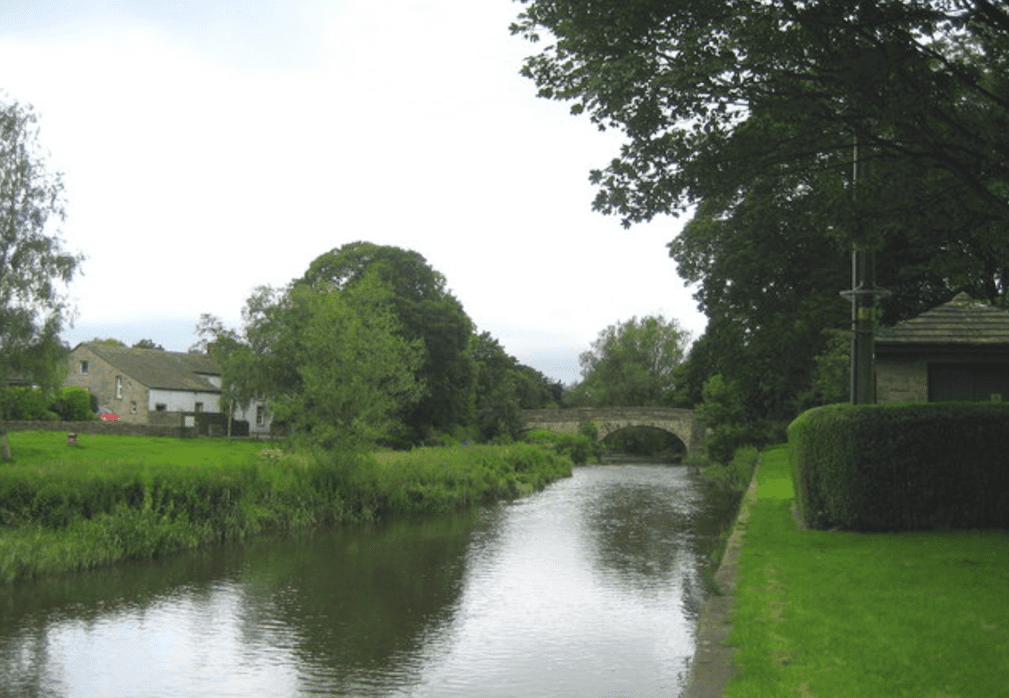
Leeds is located in the Aire River Valley, and this water artery is one of the longest in the UK. The Aire forms part of the Aire and Calder river system within the Humber basin. The primary concerns regarding water quality involve urban pollution and agricultural runoff.
Historic dams along the river, which powered old mills, act as barriers to fish migration. Additionally, pollution from misconnected drainage or faulty sewer overflows exacerbates the problem. To improve the river’s condition, experts recommend removing outdated dams or re-naturalizing artificial culverts.
Air Quality in Leeds
Air quality in Leeds is assessed by monitoring fine particulate matter and gases such as ozone (O3), nitrogen dioxide (NO2), and sulfur dioxide (SO2), which primarily result from vehicle and industrial emissions. Poor air quality poses serious health risks, including respiratory and cardiovascular diseases.
In many UK cities, including Leeds, average NO2 levels exceed legal limits set by the European Union. Locally, air pollution contributes to 350 premature deaths annually in Leeds and around 29,000 across the UK. Addressing these issues, Leeds City Council declared a climate emergency in 2019 and committed to carbon neutrality by 2030.

Biodiversity in Leeds
Leeds is witnessing unprecedented biodiversity loss. Residents are encouraged to treat nature with care, ensuring ecosystems remain undisturbed. In parks and recreational areas, industrial activities are restricted, and measures are taken to protect local flora and fauna.
Efforts include preventing unnecessary noise and light pollution in wildlife habitats. This approach fosters ecological recovery and helps maintain the natural balance.

Soil Conditions in Leeds
Leeds is situated on clay-rich soils, with areas impacted by industrial and agricultural activities. Soil contamination, particularly with asbestos, remains an issue. Improperly disposed asbestos materials pollute clean land and pose health risks when disturbed.
Contaminants are often remnants of old asbestos factories or demolition sites. While the risk to human health is generally low, it increases with activities that disturb asbestos-containing materials.

Recommendations for Improving Leeds’ Environmental Situation
A citizen group in Leeds proposed 12 key recommendations to address the city’s ecological challenges:
- Place bus services under public control and limit private car use within the city.
- Retrofit all existing housing to improve energy efficiency.
- Raise awareness about the necessity of collective action against the climate crisis.
- Implement a “carbon budget” for every individual.
- Decentralize decision-making to empower local authorities.
- Increase green spaces and rehabilitate neglected areas.
- Ensure all new developments are eco-friendly.
- Promote low-carbon solutions within the city.
- Halt certain construction projects and land sales.
- Mandate that all companies and organizations in Leeds achieve carbon neutrality by 2030.
- Expand recycling programs.
- Actively restrict single-use plastics in public dining establishments.
By adhering to these measures, Leeds aims to significantly improve its environmental conditions and preserve biodiversity.