

Forests are the lungs of our planet, and preserving every tree and green area is crucial. Today, we’ll explore Woodhouse Ridge, a forest strip located on the south-western slope of the Meanwood Valley in Leeds. Learn more about the history and importance of Woodhouse Ridge on leedsname.com.
History of the Forest: Key Facts
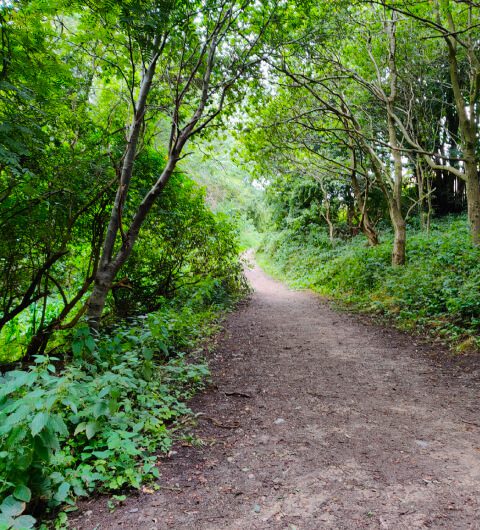
Woodhouse Ridge is a small forest within Leeds, designed as a leisure area as early as 1846. Pathways and a viewing platform were installed, offering stunning views over the then-unbuilt valley toward Farm Hill and Sugar Well Hill.
In 1901, the public area was expanded to include Batty’s Wood, consisting of oak and ash trees. Later, in 1974, Leeds City Council acquired abandoned mill buildings and a silted mill pond in the area. These structures were demolished, and the land was replanted with trees and grass, integrating it into Woodhouse Ridge.
One remarkable feature is the connectivity of Woodhouse Ridge with Leeds, enabling pedestrians to walk through forests and parklands from Leeds city center to Ilkley. The route then continues through the Yorkshire Dales to Bowness-on-Windermere, providing a unique opportunity for relaxation away from traffic amidst untouched nature.
As part of Leeds City Council’s responsibility, the Parks and Countryside Service oversees the development and maintenance of Woodhouse Ridge.
Meanwood Valley: History and Highlights
Located within the Meanwood Valley, Woodhouse Ridge is tied to an area with a rich industrial and cultural history. Here are some fascinating aspects:
- Industrial Legacy: Meanwood Beck powered corn mills, flax mills, dye works, leather factories, and paper mills. Quarrying was also a significant activity in the area.
- Urban Development: By 1830, a main road connected the valley to Leeds, and public transport appeared 20 years later. By 1890, electric trams served the area, improving accessibility for residents.
- Residential Growth: In 1841, Meanwood had 144 houses, mostly stone cottages. Although few remain today, notable historic structures include the Meanwood Institute, a Grade II listed building, and the former Cliffe Tannery.
- Meanwood Park: Covering 29 hectares, the park features tall trees, open meadows, a children’s playground, and picnic areas, offering a serene escape for residents and visitors.
Protecting the Planet’s Lungs
Woodhouse Ridge provides a convenient, peaceful green space near central Leeds. Whether for walking, picnicking, or simply breathing fresh air, the forest is a cherished resource. Yet, forests are far more than recreational zones—they play a vital role in the Earth’s ecosystem.
Forests cover one-third of the planet’s land area, hosting 80% of terrestrial biodiversity.
Over 60,000 species of trees supply oxygen, prevent soil erosion, and mitigate climate change.
Unfortunately, forests are under constant threat from deforestation, fires, and human activity. Here’s how we can help:
- Use Paper Wisely: Each year, 4 billion trees are cut down for paper production, contributing significantly to greenhouse gas emissions. Opt for digital alternatives whenever possible.
- Plant Trees: Whether in your garden or community, planting trees beautifies the environment and helps purify the air.
- Practice Forest Safety: Avoid lighting fires in dry weather and always extinguish campfires thoroughly.
Forests like Woodhouse Ridge are not just places of leisure—they are vital to our planet’s health. Respecting and preserving these green spaces is a responsibility we all share.