It is especially pleasant to stroll through your hometown when it features greenery, trees, and well-kept flowers. But have you ever thought about how long it takes for a tree to grow or for a green space to be established? In fact, it is a painstaking task that requires a great deal of effort, time, and resources. Today, we’ve decided to talk about gardening in Leeds. You can read more about it on the website leedsname.com.
The Development of Gardening
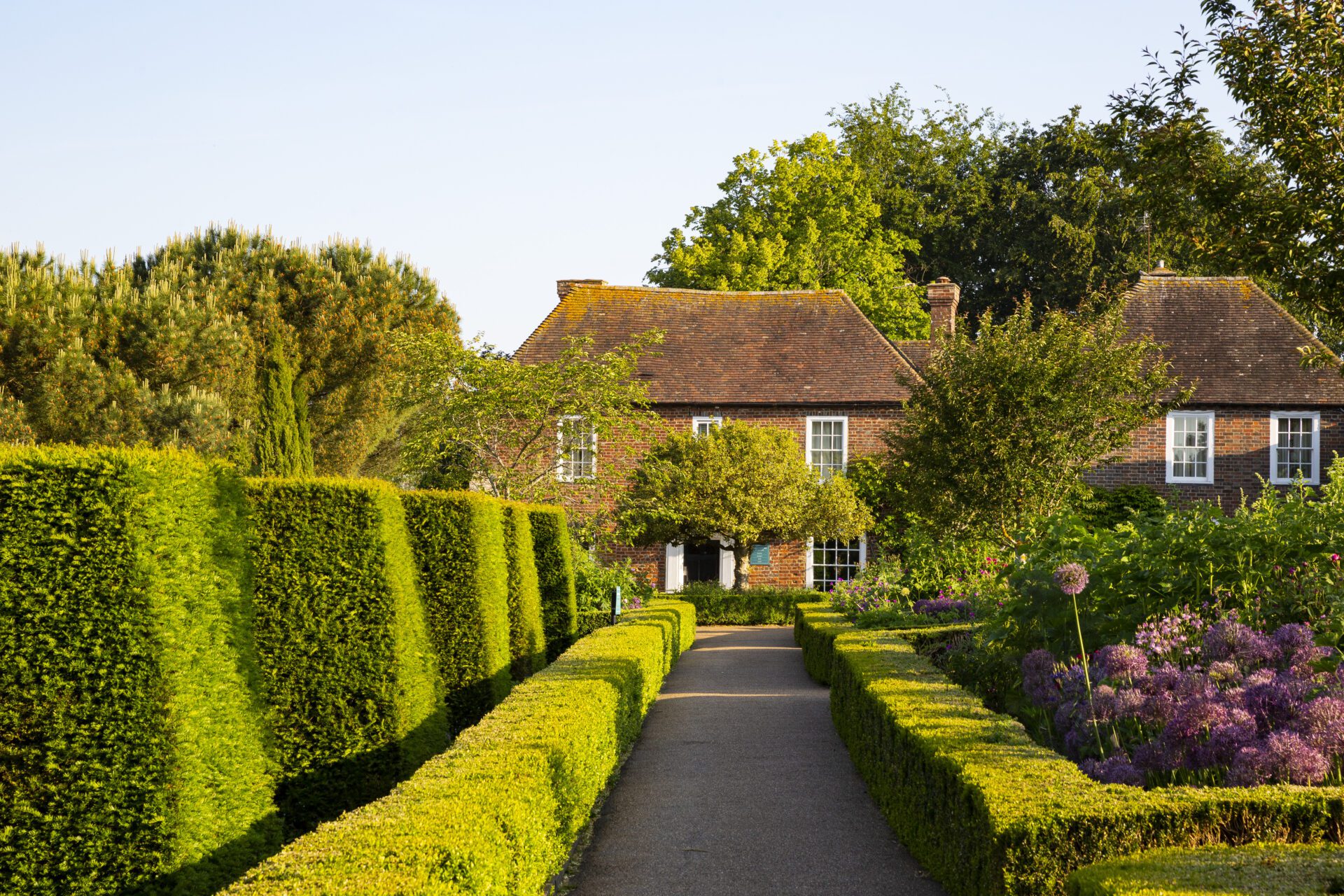
As is well known, our city has deep roots and began to take shape in 1207. From that time onwards, Leeds gradually became adorned with greenery, flowerbeds, and plants. Notably, in both working-class and affluent districts, private homes with gardens and flower beds, as well as public city parks, became particularly valued.
It is worth noting that city parks, including the famous Woodhouse Moor, served as communal gardens accessible to residents from all social backgrounds. These green spaces provided ideal conditions for recreation, leisure, and even amateur gardening, supporting ideas of greening and preserving nature in urban environments.
Gardening in Leeds also developed in connection with agro-industrial activities in the surrounding region of West Yorkshire. The land around Leeds was traditionally used for growing flowers, vegetables, and fruit, which were supplied to the local market.
Gardening in Modern Conditions
In the modern era, Leeds has more than 100 public green spaces, including parks, estates, and gardens that support both traditional and modern gardening practices, taking into account trends in sustainable development and eco-urbanism. In the 21st century, community garden initiatives and local agro-cultural projects aimed at environmentally friendly plant cultivation and raising ecological awareness among citizens have become increasingly popular. Key examples include:
- Community gardens. Since the early 2000s, the number of community groups creating small public gardens in Leeds has been growing. These initiatives have become a way to engage residents in greening urban spaces, increasing environmental awareness, and strengthening social ties.
- Guerrilla gardening. This movement, also widespread in Europe, has local representation in Leeds. It involves greening neglected urban areas through creative plant arrangements. Activists support this movement by encouraging residents to take part in such gardening and landscape design.
- Park renovations and the creation of new green oases. Over the years, existing parks in Leeds have been modernised, new comfortable recreational zones have been created, and landscape design has been updated in line with modern trends.
- Tree and shrub planting in streets and courtyards. Greenery is regularly planted in courtyards throughout Leeds to reduce air pollution, lower noise levels, and improve the comfort of the urban environment.
Altogether, these spaces have become key recreational areas for over 800,000 residents, while also contributing to the ecological balance of a large city.
The history of gardening in Leeds began with the private estates of noblemen and aristocrats, as these were the first landscape design projects. Over time, beautiful green spaces have become a feature of public city areas, not just private properties. These zones now blend traditions with innovative approaches to environmental protection and sustainable urban development.
We hope you found this article informative and that you’ve learned something new about your hometown. What do you think—are there enough parks and green spaces in Leeds?