In the 21st century, clean air is truly a rarity. As cities grow, so does the population, along with the number of cars and public transport. All of this has a negative impact on air quality. Leeds is one of the largest cities in Northern England, and as such, it constantly faces the challenge of maintaining air quality at a safe level for its residents. Today, we will talk more about this. You can read further on leedsname.com.
Main Sources of Air Pollution
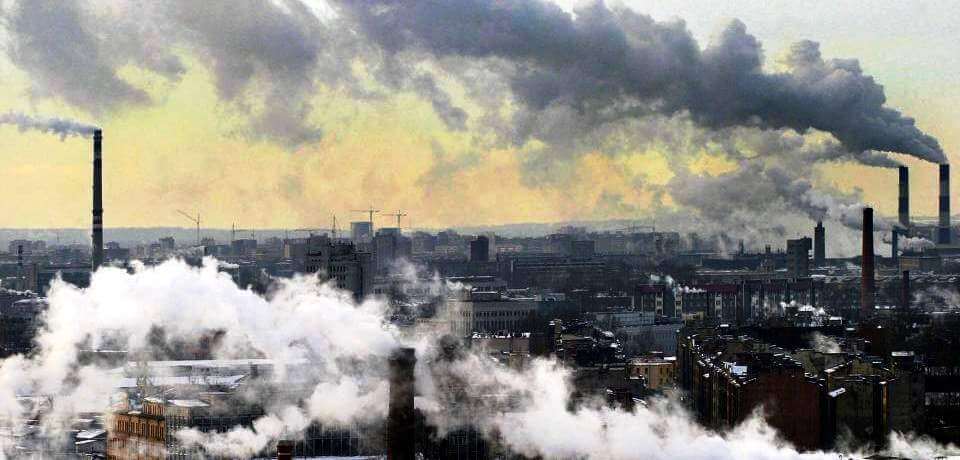
It is worth noting that the main sources of air pollution in Leeds are transport and industry. Around 60–70% of harmful emissions come from cars, lorries, and public transport that burn fossil fuels. Environmentalists point out that this especially affects the central areas of the city, where traffic is intense and population density is high. In addition, industrial enterprises remain a significant source of sulphur-containing gases, nitrogen oxides, and fine particulate matter (PM10, PM2.5).
In statistical terms, in 2025 the Air Quality Index (AQI) in Leeds typically ranges between 30–50, which corresponds to a “good” or “moderate” level according to US EPA standards. However, on certain days and in densely populated areas, the AQI can rise to 70–90 or higher, which causes moderate concern for sensitive groups such as children, the elderly, and people with respiratory conditions. The main pollutants include nitrogen dioxide (NO₂), fine particulate matter (PM2.5), and ozone (O₃).
How Emissions Are Controlled
To tackle pollution, the city authorities are strengthening decarbonisation measures. Among the key policies are the introduction of low-emission zones where high-emission vehicles are restricted, the expansion of the electric vehicle charging network, and encouragement of alternative modes of transport. Leeds is also actively promoting cycling. Additionally, the city supports electric buses and low-emission public transport.
Leeds is actively expanding green spaces that serve as natural air “filters”. Moreover, the City Council is implementing air quality monitoring systems in different areas of the city, providing residents with real-time data through mobile apps and web platforms.
In general, the city runs awareness-raising programmes that encourage residents to participate actively in reducing pollution — from supporting eco-friendly routes to reducing the use of private cars.
What Can Be Done to Reduce Pollution
As you can see, air quality in Leeds is being monitored. City authorities are applying a comprehensive approach to reduce air pollution, including:
- Introducing low-emission zones to limit access for high-emission vehicles, which helps reduce harmful gases in the most polluted areas.
- Expanding the network of electric vehicle charging stations to encourage a shift to cleaner transport.
- Developing low-emission public transport, particularly electric buses.
- Promoting the use of bicycles by improving cycling infrastructure, helping reduce reliance on private vehicles.
- Supporting the expansion of green spaces across the city, which act as natural air filters.
- Implementing air quality monitoring systems across different districts and providing public access to the data via mobile apps and online platforms.
- Running social programmes to raise environmental awareness among the population, encouraging people to use eco-friendly routes and support other green initiatives.