Every country and region has its own unique types of soil. This natural resource plays an important role in shaping a region. Soil quality and fertility were especially valued in past centuries, when agriculture formed the basis of the economy. Today, we will explore the soils of Leeds and the West Yorkshire area. You can find more on this topic at leedsname.com.
Main Soil Types in the Leeds Area
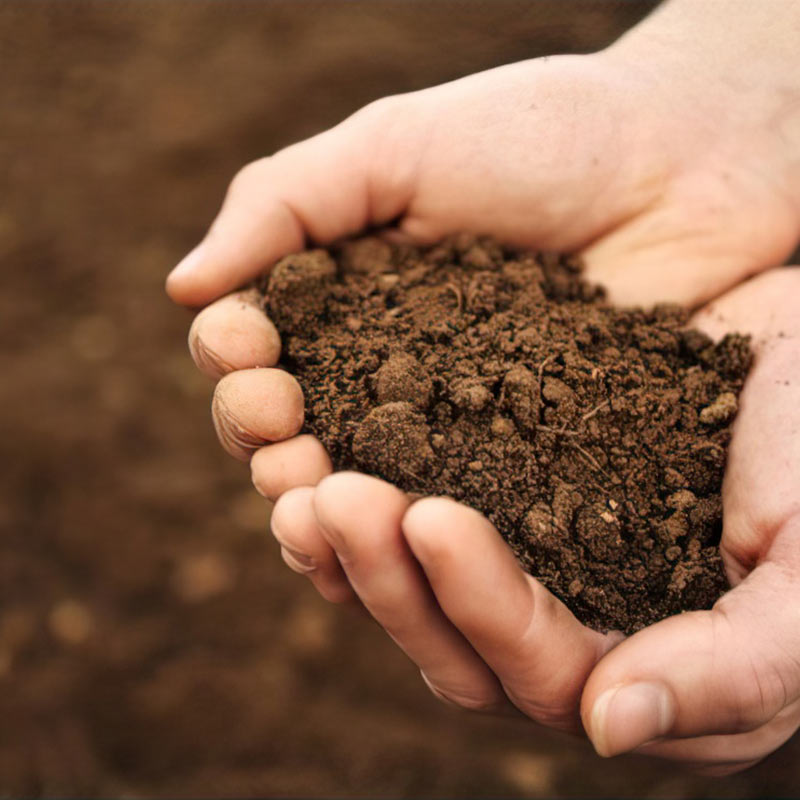
The soils of West Yorkshire are geologically diverse and typical of northern England. Their formation is influenced by the region’s temperate maritime climate and geological structure.
The main soil types found in the Leeds area are predominantly alluvial (river) soils in the river valleys — particularly along the River Aire, on which the city is situated. You can also find podzolic soils on nearby plateaus and hills. Additionally, layers of Quaternary deposits — including gravel, sand and clay — contribute to the soil profile, with depths ranging from several metres to tens of metres.
Overall, the soils in Leeds are characterised by moderate fertility, supported by sufficient moisture levels. The average annual rainfall is approximately 700 millimetres, and the climate is mild, with moderate temperatures throughout the year.
What Geological Studies Reveal
According to geological studies, the region contains man-made soils ranging in depth from 2 to 30 metres, formed as a result of human activity and land development — particularly in the industrial zones of the city and surrounding areas.
Much of West Yorkshire’s soils, including those in Leeds, have developed over thousands of years — with origins tracing back to the Mesolithic and Bronze Ages. This highlights the ancient nature of the region’s natural zones. As a result, today’s soils are complex in structure, reflecting both natural evolution and human influence.
In modern times, Leeds maintains environmental monitoring of its soil cover. This is done to prevent negative effects of urbanisation and industrial activity, including toxic contamination.
What Is Grown on the Soils of Leeds and the Region
The soils of Leeds and the surrounding area have moderate fertility, supporting traditional agricultural activity. Crops grown here include cereals such as barley, oats and wheat. Additionally, small quantities of sugar beet and fodder crops are cultivated. Vegetables and potatoes are also regularly grown.
However, the majority of agricultural land in the region is used as pasture. As a result, livestock farming is widely developed in the Leeds area — including dairy farming, pig farming, sheep farming and poultry.
Unfortunately, much of the Leeds metropolitan area is heavily urbanised, meaning large portions of land have been allocated for construction and industry. This affects the natural functions and condition of the soil. Nonetheless, agricultural activity in the surrounding rural areas remains an important part of the regional economy.
In general, the soils of England consist primarily of rendzina (calcareous), podzolic, brown forest and alluvial types. These soils support England’s diverse agricultural sector — from cereal and vegetable farming to fodder production and active grazing-based livestock farming. However, urbanisation and industrial development continue to influence soil quality and ecological health, making regulation and protection essential.
That concludes our informative feature. We hope you found it interesting and that you’ve learned more about your hometown and local region.