The city of Leeds is a beautiful place with well-developed infrastructure. But it is also a green city, full of various plants, trees, and flowers. Among this diversity, you might encounter some poisonous plants. These can grow in parks, along roadsides, or in nearby natural areas. Today, we decided to talk about the poisonous plants that grow in Leeds. This material might help you avoid potential health risks. Read more about this on the website leedsname.com.
Common Poisonous Plants in Leeds
Overall, our city boasts very diverse vegetation. In this section, we will talk about the main poisonous plants that can harm your health:
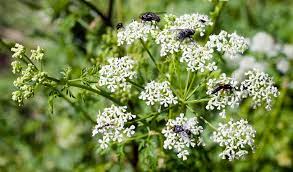
- Spotted Hemlock (Conium maculatum). This poisonous plant can grow in wastelands, along roads, and in semi-wild areas. Spotted Hemlock is easy to identify, as it looks similar to parsley. It contains a strong alkaloid, coniine, which can cause seizures, paralysis, and even death if ingested. It can also cause dermatitis if touched.
- Water Hemlock (Cicuta virosa). This plant typically grows in wet meadows, near rivers, and around lakes. It has a branching stem and small white flowers arranged in umbrella-like clusters. Most importantly, consuming even a small amount of its fruits can lead to severe poisoning with convulsions, which can even result in death.
- Black Henbane (Hyoscyamus niger). Black Henbane can be recognized by its unpleasant smell and sticky leaves. However, its jug-shaped fruits may attract children. In general, poisoning symptoms include dry mouth, hoarseness, dilated pupils, and in severe cases, loss of consciousness.
- Jimsonweed (Datura stramonium). This plant is often found along roadsides and in wastelands. Every part of Jimsonweed is poisonous, containing alkaloids. These can cause hallucinations, rapid heartbeat, vomiting, and other symptoms of poisoning.
- Deadly Nightshade (Atropa belladonna). Deadly Nightshade grows in forests and along woodland edges. Its fruits resemble small berries with a sweet taste, which makes the plant even more dangerous, especially for children. Poisoning by this plant can also lead to death.
How to Avoid Plant Poisoning
As you may already understand, some plants can be life-threatening. That is why it is essential to follow certain rules:
- Do not touch unknown plants or try them by taste. This is the most important rule, as many poisonous plants have an attractive appearance. Experts point out that even sweet berries can contain toxins.
- Avoid contact with plants growing along roadsides. Dangerous species such as Giant Hogweed, Spotted Hemlock, Jimsonweed, Water Hemlock, and Ragweed are often found in such places.
- If plant sap comes into contact with your skin, immediately rinse the affected area with plenty of water and soap.
- During outdoor walks, wear closed clothing and shoes to minimize contact with plants. This will help avoid accidental contact with poisonous parts of plants.
- It is also worth noting that parents should explain to children not to pick up or, especially, put unknown plants in their mouths. Keeping an eye on pets is equally important.
- Interestingly, some poisonous plants are used in medicine. However, an overdose can significantly harm your health.
- This has been an informative piece for you. We hope you’ve learned something new about your hometown and the poisonous plants that can grow in and around Leeds.
What poisonous plants have you encountered?