

Leeds, a vibrant European city in England, is known for its beautiful green spaces, parks, and nature reserves. Located just a few kilometers from Leeds city center lies the renowned Yorkshire Dales National Park, a treasure trove of natural beauty and history. Here’s a detailed look at its origins and features. Next on leedsname.com.
Creation of Yorkshire Dales National Park
The Yorkshire Dales National Park spans an area of 2,178 square kilometers, covering most of the Yorkshire Dales except Nidderdale. Its history dates back to 1947, when the Hobhouse Report recommended the establishment of the park. The proposed area included most of the Yorkshire Dales but excluded Nidderdale. The park officially came into being in 1954.
Significant developments followed:
- In 1974, most of the park’s land was transferred to the newly formed county of North Yorkshire.
- In 1997, the park’s administration moved from the county to the Yorkshire Dales National Park Authority.
- In 2016, the park expanded westward, closer to towns like Kirkby Lonsdale, Kirkby Stephen, and Appleby-in-Westmorland.
- In 2020, Yorkshire Dales National Park was recognized as an International Dark Sky Reserve, highlighting its low levels of light pollution and excellent stargazing conditions.
As of 2017, more than 23,000 residents lived within the park, which attracts approximately four million visitors annually.
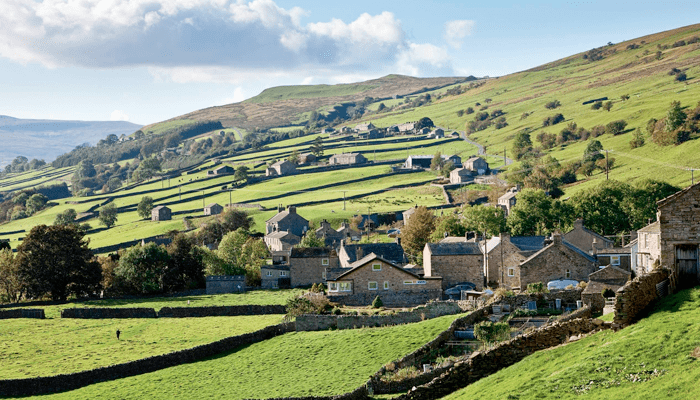
A Paradise for Tourists
Leeds serves as both an economic and industrial hub and a gateway to numerous tourist attractions, including the Yorkshire Dales National Park. The park is especially popular for cycling, featuring multiple well-maintained bike trails. Despite a decline in tourism during the COVID-19 pandemic in 2020, the park remains a sought-after destination. Notable attractions include:
- Bolton Castle. Built between 1378 and 1399, Bolton Castle required a special license for construction, granted in 1379. It remains a testament to medieval architecture and craftsmanship.
- Cautley Spout. Located in Howgill Fells, this is England’s tallest waterfall, featuring cascading waters that plunge dramatically from a cliff.
- Gaping Gill. A natural cave with numerous access routes, Gaping Gill is a fascinating destination for adventurers. The first recorded descent attempt occurred in 1842, with the first successful full descent completed in 1895.
- Hardraw Force. This stunning waterfall, featured in the film Robin Hood: Prince of Thieves, also hosts an annual brass band competition. The site’s natural amphitheater has been a venue for music events since 1884.
- Kisdon Force. A series of waterfalls on the River Swale, Kisdon Force features a ten-meter drop and two cascades, surrounded by lush forest. Visitors can access it via a riverside walk from Keld, though caution is advised on slippery rocks.
- Wild Boar Fell. This mountain is a must-visit for hiking enthusiasts and nature lovers.
Yorkshire Dales National Park offers a blend of natural splendor and historical significance, with attractions that cater to diverse interests. Whether you’re exploring caves, marveling at waterfalls, or enjoying serene landscapes, the park is a perfect escape into nature.
Have you visited Yorkshire Dales National Park? Share your experiences in the comments!