A recycling plant is a real “must-have” in the 21st century. After all, every year humanity produces more and more waste. The city of Leeds is no exception – it is home to such a facility. Today, we’ll take a closer look at its history and development. Find out more on the pages of leedsname.com.
What We Know About the Veolia Cross Green Recycling Plant
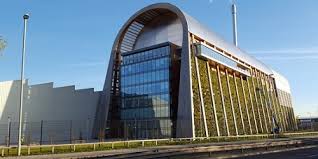
It’s worth noting that the Veolia Cross Green plant in Leeds is operated by Veolia Environnement, a company with more than 170 years of experience in water, energy, and waste management. The company was originally founded in France in 1853 under the name Compagnie Générale des Eaux. Over the years, Veolia Environnement has become a global leader in environmental technologies and sustainable development.
As for Veolia Cross Green itself, it is a state-of-the-art recycling facility that combines mechanical and biological treatment methods to process around 214,000 tonnes of household waste per year. The building features a timber frame, glass façades, and a striking green “living wall” on its southern side, which is said to help maintain the city’s environmental balance.
The construction of this innovative facility marked an important step for Leeds in introducing advanced technologies aimed at reducing landfill waste and generating energy from refuse.
From Past to Present
Veolia Environnement began waste treatment operations in 1967, when its first incineration plants came into service. By 1973, the company had started specialising in hazardous waste management. Over the years, Veolia expanded and launched projects in cities across the globe. This ultimately led to the establishment of the Veolia Cross Green plant in Leeds.
The Leeds facility officially opened in 2016. As mentioned earlier, it integrates mechanical, biological, and energy-recovery technologies for efficient waste management. Its opening was a landmark event for the city, significantly reducing the volume of waste sent to landfill while producing enough energy to power around 20,000 homes.
The plant exemplifies modern standards of sustainable waste management, employing artificial intelligence and automation to optimise processes and manage water and energy resources. Veolia Cross Green plays a vital role in cutting greenhouse gas emissions and keeping Leeds clean, demonstrating the city’s commitment to sustainability and community well-being.
How the Process Works
The waste treatment process at Veolia Cross Green starts with the collection and delivery of household rubbish, which is then fed onto sorting lines. Automated systems separate different materials – plastics, metals, paper, and organic waste. The mechanical stage involves shredding and sorting, isolating valuable materials for further recycling.
Organic waste undergoes biological treatment in special bioreactors or composting systems, where it is transformed into biogas or compost – a natural fertiliser. Residual waste that cannot be recycled is sent to the plant’s energy recovery unit, where it is incinerated to generate electricity and heat. Steam produced during combustion drives turbines that generate power.
Finally, any harmful emissions from the process are controlled using advanced air-cleaning and filtration systems, which significantly reduce the release of pollutants.