Leeds is one of the major industrial centres in the United Kingdom, with roots stretching back several centuries. Today, we take a look back through history to learn more about industry in Leeds and the surrounding region. For more details, visit leedsname.com.
From Textiles to Engineering
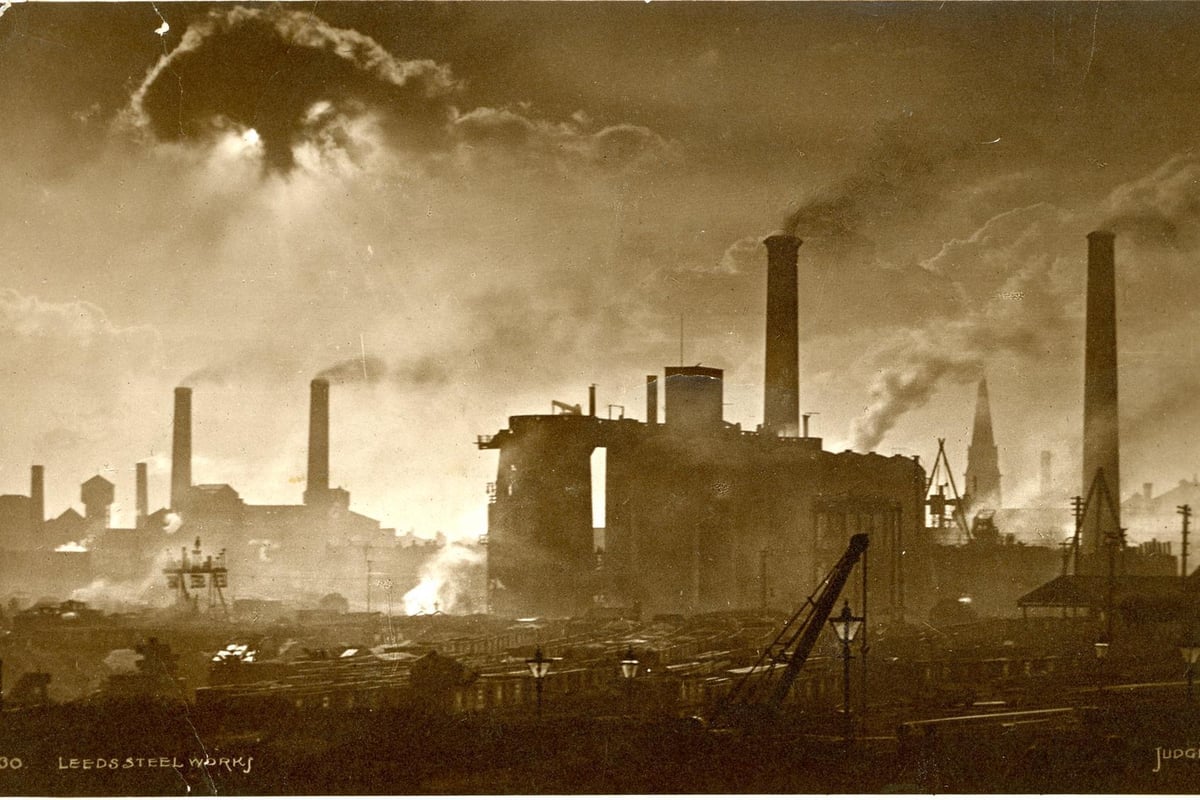
As early as the 18th century, the textile and wool industries in Leeds were developing rapidly. By the 19th century, the city had become a hub for heavy engineering, producing machinery for the textile sector, dyes, and steam engines. It’s worth noting that Leeds enjoyed a very strategic location, which played a significant role in its success during those years. By the mid-19th century, as much as 50% of all English exports passed through Leeds.
Coal mining was another key factor in the region’s industrial strength. In fact, as early as 1758, the world’s first railway connected Leeds to local coal mines. This development was not only a sensation at the time but also boosted the city’s industrial growth. Alongside this, the population began to grow rapidly. By the end of the 17th century, Leeds had a population of around 10,000, but by 1840 it had soared to approximately 150,000.
Leading Industrial Enterprises in Leeds
By the 20th century, a number of well-known factories and plants were operating in Leeds and the region, shaping the local economy. The most notable included:
- Wool-spinning and weaving mills. Traditional industries that formed the backbone of Leeds’ industrial boom between the 18th and 20th centuries. These factories produced fabrics, woollen goods, and dyes.
- Engineering plants for the textile industry. Factories manufacturing steam engines, weaving machinery, and other equipment for textile production.
- Royal Small Arms Factory. Located near Leeds, this plant operated from 1816 to 1988, producing military weapons, including the famous Lee–Enfield rifles later used by the British Army in the 20th century.
- Coal mines and coal extraction. As you can imagine, mining was an essential part of the regional economy, fuelling the work of other factories and industries.
- Printing and chemical works. Producing paper, inks, dyes, and various chemical products for industrial and domestic use.
Industry in the Modern Era
After the Second World War, textile and wool manufacturing plants began to decline, and the economy started to transform to meet the demands of a changing world. Today, the industrial landscape of Leeds and the wider West Yorkshire region is highly diverse. For example, Leeds is now the UK’s second-largest financial centre after London, contributing significantly to the city’s economy. In the 21st century, the following sectors are particularly prominent:
- Engineering and advanced manufacturing. Although industrial employment now accounts for only about 10% of the workforce, the region continues to produce electronics, vehicles, and pharmaceutical equipment.
- Food industry. Food and beverage production remains an important sector for West Yorkshire and one of its major export markets.
- Printing and publishing.
- Chemical industry. Including the production of pharmaceuticals and dyes.
- Logistics and transport. Thanks to its advantageous location, Leeds is a major transport hub, supporting strong growth in logistics and warehousing services.
As a result, Leeds successfully combines its traditional industrial heritage with the development of service and innovation-driven sectors.
We hope you’ve enjoyed this article and learned more about the history and present-day industry of our city.