

Leeds is the third-largest city in Great Britain. It also has the third-largest number of local government jobs and the fastest-growing number of private sector vacancies. In addition, Leeds is the largest legal and financial centre in England outside of London, as well as the third-largest manufacturing centre in the country. In this article, we will tell you about the past and current development of this industrial city. Learn more at leedsname.com.
Changes brought by the Industrial Revolution
In 1782, Leeds was surrounded by fields, so it quickly became the centre of the linen industry. Woollen fabrics were also produced here.
In 1790, Richard Paley built two cotton factories in the Bank area of Leeds. This was the beginning of the manufacturing system in the region. However, later, Richard Paley went bankrupt along with his enterprises. Instead, the woollen industry began to flourish. The demand for woollen cloth increased both in the domestic market and for export. Therefore, in 1792, Benjamin Gott decided to create a new factory, Park Mills. Later, in the 1820s, other woollen factories were built in Leeds.
John Marshall came to Leeds at that time (in 1790). It was this man who made Leeds the centre of the British linen industry. John Marshall built a factory where he used new methods of spinning flax. Later, the employees who worked for the entrepreneur built new mills. By 1821, 19 mills were operating in the city, and by 1855, there were 37 of them.
It should be noted that the linen industry was at the peak of its development in 1850. Then Marshall’s mill processed 10% of all flax imported into Britain.
Development of the machinery industry
The textile industry was developing actively at that time. Accordingly, there was a need for mechanisation and the production of engines. Matthew Murray worked with John Marshall at Scotland Mill. In 1795, Matthew opened his own business and manufactured steam engines and locomotives. Then he and his partners started making machines for the textile industry. In general, Murray started the development of the locomotive industry in Leeds. His business was later continued by the Hunslet Engine Company.
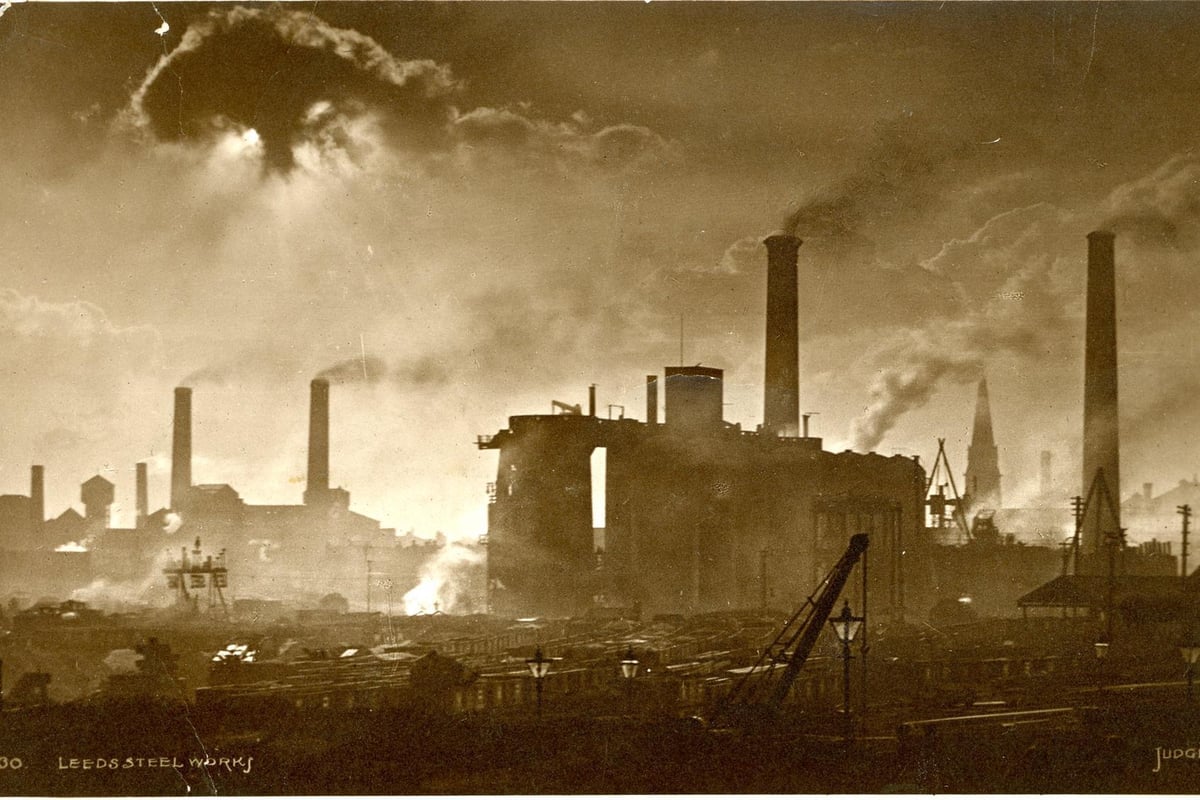
In the 19th century, the textile industry was the basis of Leeds’ economy. A need for cheap coal, machines, transport, building materials and labour started to appear gradually. Thus, other industries began to develop in the city (mechanical engineering, leather industry, etc). Leeds was actively developing, people had money, new shops were opening and houses were being built.
Modern period
Today, Leeds is even larger and grander. The city has almost 1,800 companies engaged in various manufacturing activities, including mechanical engineering, printing, food and beverage manufacturing, chemicals and medical technology. It should be noted that the majority of Leeds’ manufacturing companies are small and medium-sized enterprises. This sector employs over 144,200 people. Particular attention should be paid to the production of vehicles, such as Optare buses, Ginetta sports cars, Treves UK, etc. Leeds is also known for manufacturing food products (Arla Foods UK, Goldenfry, Unilever and brewing companies). There are also several chemical plants operating in the city, including eChem in Kirkstall, Clariant in Rawdon and Chemsol in Hanslet.
So, it was the history of Leeds’ industry development. We hope that our article was informative and you learned new information.