

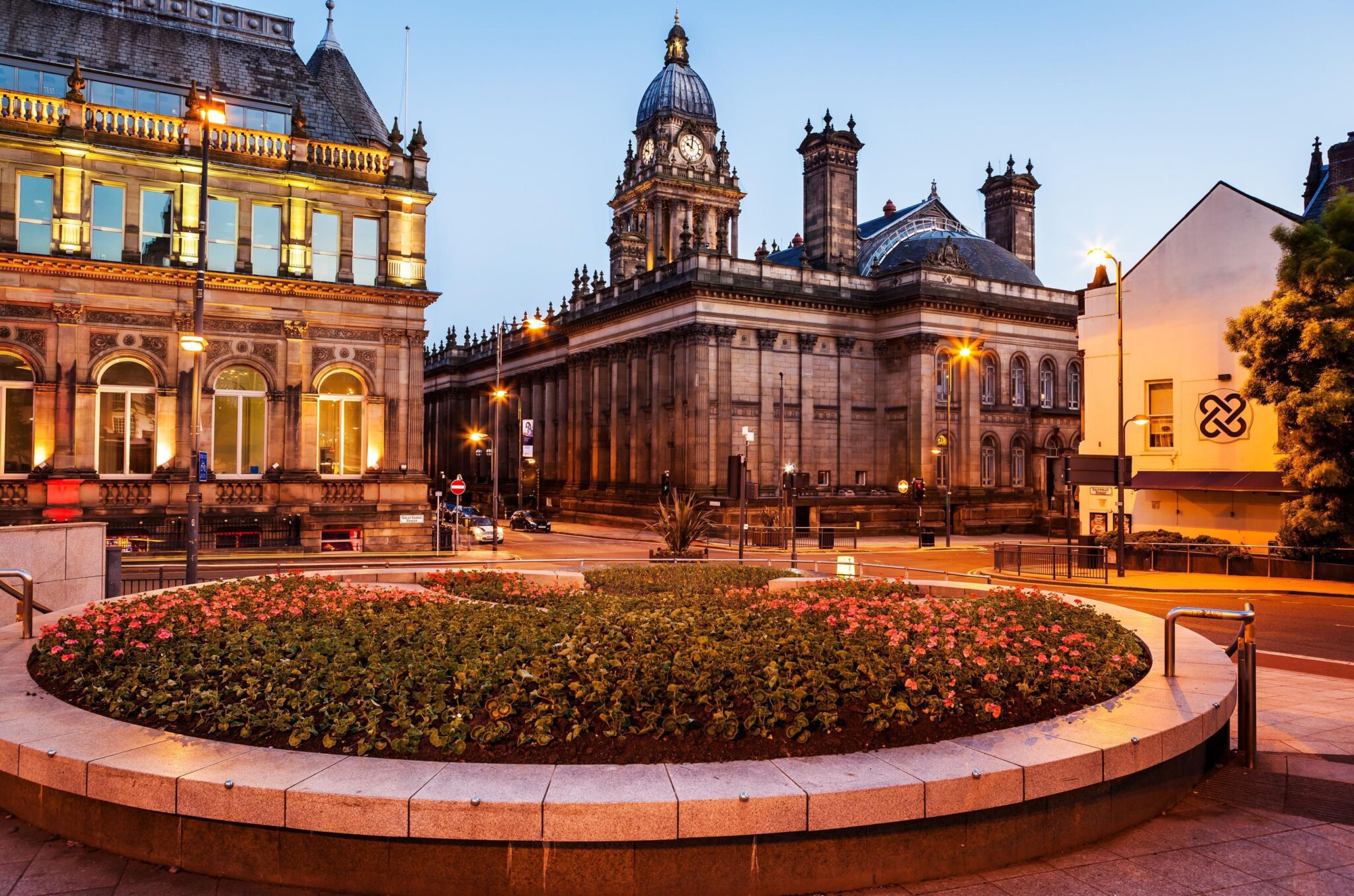
Leeds, the third-largest city in the United Kingdom, has undergone a remarkable transformation over the centuries. From a modest trading town in the Middle Ages to an industrial hub in the 18th century, it now stands as a progressive and vibrant city. Located 310 kilometers from London, Leeds attracts tourists with its mild climate, rich architectural heritage, and cultural landmarks. Here’s a closer look at the city’s geography, climate, and top attractions. Next on leedsname.com.
Geography of Leeds
Leeds is located northwest of London, with its city center nestled along the River Aire at an elevation of 63 meters above sea level. Known for its greenery, over 65% of Leeds is designated greenbelt land, making it one of the greenest cities in the UK.
Just 32 kilometers from Leeds lies the Yorkshire Dales National Park, a breathtaking area with stunning landscapes. The city’s inner and southern regions sit on coal-bearing sandstones, contributing to its industrial heritage.
Climate in Leeds
Leeds enjoys a temperate oceanic climate influenced by the Pennines. Summers are mild, and winters are cool, with occasional frost and snow.
- Warmest Month: July, with an average temperature of 16°C.
- Coldest Month: January, with an average temperature of 3°C.
- Extreme Weather: Temperatures rarely exceed 30°C or drop below -10°C, although records like 34°C in August 1990 highlight rare exceptions.
Leeds is one of the driest cities in the UK, with an annual rainfall of 660 mm (25.98 inches). Thunderstorms, blizzards, and tornadoes are uncommon, though notable weather events, such as the September 2006 storm, have occasionally caused significant damage.
Tourist Information
Leeds offers more than just a pleasant climate—it’s rich in culture and history. Here are some must-visit locations:
- Harewood House
Built in the mid-18th century by the Earl of Harewood, this neoclassical estate features porcelain collections, portraits, and antique furniture. - Kirkstall Abbey Ruins
A picturesque and atmospheric location perfect for history and architecture enthusiasts. - Thackray Museum of Medicine
Explore over 47,000 fascinating exhibits detailing the history of English medicine, including ancient remedies, medical instruments, and Prince Albert’s personal medicine chest. - Leeds Art Gallery
One of the finest art museums in the UK, showcasing masterpieces from the 20th century and beyond. - Roundhay Park
A jewel of Leeds and one of Europe’s largest urban parks, featuring lakes, woodlands, and gardens.
With its favorable climate, Leeds is an ideal city for outdoor exploration and cultural excursions. While the weather may not suit beach holidays, its attractions offer a rich and varied experience, cementing its reputation as a cultural capital of Europe. We hope this guide has provided useful insights into Leeds’ geography, climate, and attractions.