

Human activities, including agriculture, have a significant impact on the environment, leading to substantial changes in climatic patterns. On the one hand, farmers must address the challenge of feeding a growing global population. On the other, they strive to find sustainable agricultural practices that minimize environmental damage and preserve ecological balance. Read more about this on leedsname.
In Leeds, experts dedicated to tackling these challenges are conducting research, such as Dr. Marcelo Galdos, a research fellow at the Meteorological Office of the University of Leeds. According to Environment.leeds.ac.uk. Dr. Galdos studies agricultural systems capable of capturing carbon to reduce the environmental footprint of food production. These technologies aim to ensure sufficient and even increased crop yields under future climate conditions, which directly affect agricultural productivity.
Climate in Leeds
Leeds experiences a maritime climate, according to the Köppen classification, largely influenced by the Pennine Mountains. Summers are comfortable with moderate rainfall, while winters bring occasional snow and frost, often under cloudy skies. The nearest official weather station is located in Bingley.
July is the warmest month, with an average temperature of 16°C (61°F), while January is the coldest, averaging around 3°C (37°F). Extreme weather is uncommon, with rare occurrences of heatwaves above 30°C (86°F) or frosts below -10°C (14°F).
Located on the eastern side of the Pennines, Leeds is among the driest cities in the UK, receiving an annual rainfall of approximately 660 millimeters.

Agricultural Practices in Leeds
Agriculture in the Leeds region thrives, supported by several farms, including:
- Meanwood Valley Urban Farm
- Swillington Organic Farm
- Crag House Farm
These farms serve not only agricultural purposes but also recreational ones, attracting tourists and locals interested in natural, organic products. Researchers in the region explore efficient use of water and energy and seek to reduce dependency on nitrogen fertilizers to mitigate climate change effects, such as reduced water supply to agricultural zones and increased CO2 emissions.
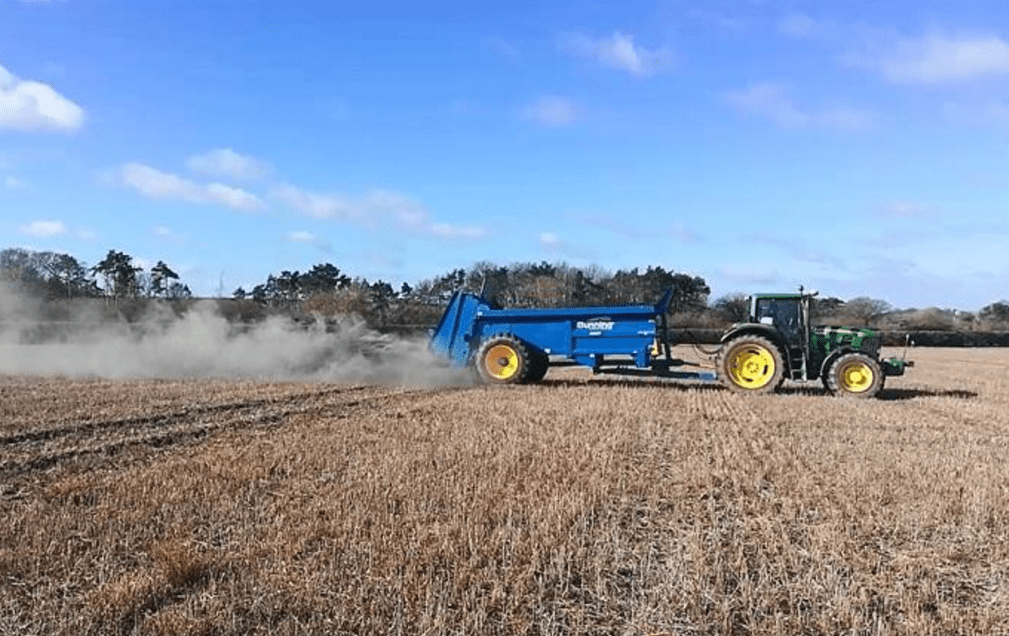
Leeds employs interdisciplinary approaches to tackle these issues, aiming for more sustainable and productive farming systems. These include advancements in plant science, soil management, livestock care, robotics, and machine learning, alongside the use of soil, water, and crop monitoring sensors.
Soil Sensors
Soil sensors monitor real-time conditions such as temperature, pH levels, salinity, and moisture. Those placed above the ground additionally track air temperature and humidity near the soil, providing a comprehensive view of soil health essential for agricultural operations.
Water Sensors
Water sensors measure pH, conductivity, and turbidity to determine nutrient and solid content. However, traditional sampling methods are time-consuming and costly. Leeds researchers are developing advanced remote sensors to identify specific substances, such as nitrates and ammonia, and detect harmful microorganisms and pathogens.
Crop Sensors
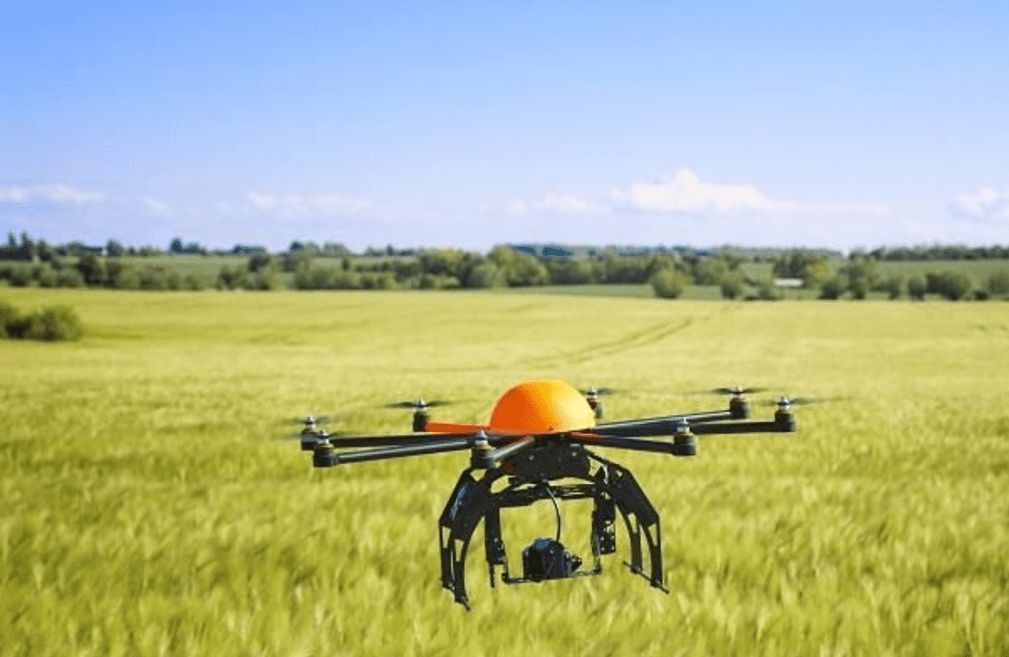
Using hyperspectral and multispectral imaging, cameras can capture wavelengths invisible to the human eye, offering detailed insights into plant health and growth. This technology, which can be deployed on fields or drones, helps farmers detect early signs of disease, ensuring precise application of fertilizers and pesticides only where needed.
These tools enable sustainable farming practices that are resilient to climate change while meeting the nutritional needs of a growing population.
Smart Land Management in the UK
Climate-optimized agriculture is vital for achieving environmental goals in the UK. Dr. Marcelo Galdos collaborates with British researchers and government agencies to enhance farmers’ resilience. He is part of a team employing geospatial analysis to model land use in Yorkshire under the Yorkshire Integrated Catchment Solutions Program.
The project explores how soil management can reduce environmental pollution from agricultural activities and improve carbon sequestration. Based on findings, farmers receive recommendations to refine their practices.
Dr. Galdos’ research integrates remote sensing, machine learning, and soil monitoring to assess long-term trends in carbon storage. He models the impact of climate variability on outdoor pig farming and evaluates the potential benefits of integrating crop and livestock systems. His work includes collaboration with Professors Pippa Chapman and Steve Banwart to measure greenhouse gas emissions, soil carbon, and nutrient flows at a highly instrumented experimental farm.
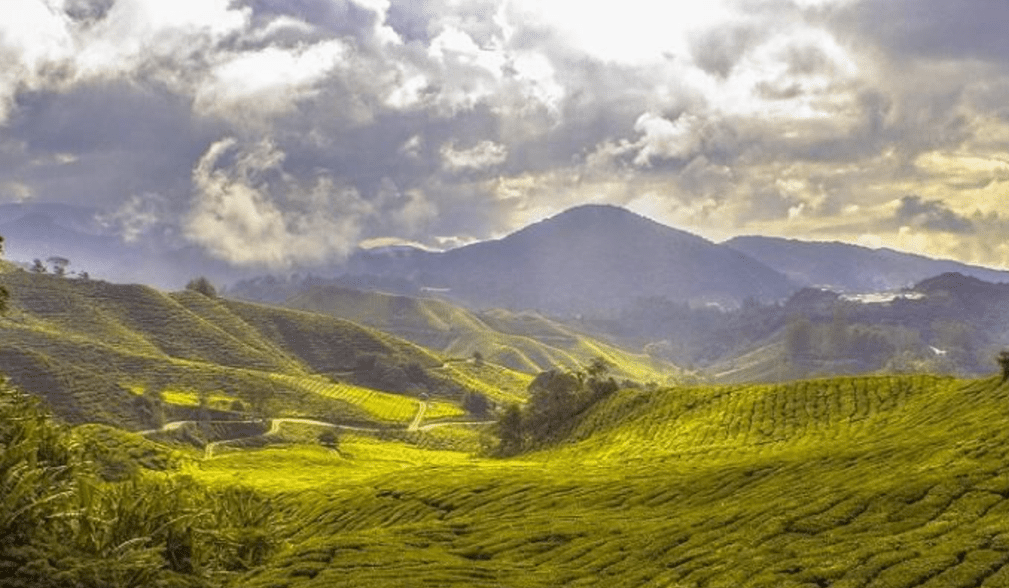
Scientific research and technological innovation are key to optimizing agriculture, which both influences and is influenced by climate change. Advanced monitoring technologies help detect environmental changes, evaluate their impact, and guide sustainable human activities. Smart land management in the UK improves agricultural outcomes while reducing environmental harm. These efforts, driven by engineers, scientists, and farmers, ultimately benefit society by ensuring food security and environmental sustainability.