

In Leeds, the River Aire spans nearly 150 kilometers and is a prominent waterway in the region. Downstream from Leeds, part of the river is canalized and known as the Aire and Calder Navigation. Today, we’ll delve deeper into the river’s history, pollution issues, and ecological restoration efforts. Learn more on leedsname.com.
What to Know About the River Aire
The River Aire was first mentioned in historical records in 959 AD. The etymology of its name remains unclear, with several theories proposed:
- Aire might derive from the Brittonic word Isarā, meaning “strong.”
- It could be linked to the Welsh word aer, meaning “massacre.”
- Another theory ties it to the Old Norse eyjar, meaning “island.”
Did you know that the River Aire played a pivotal role in the founding of Leeds? Silt deposits from two tributaries, Meanwood Beck to the north and Hol Beck to the south, created a crossing point and settlement site, which eventually became the city.
In 1699, plans were approved to make the river navigable downstream from Leeds, and navigation was later extended upstream to Bingley.
Pollution of the River Aire
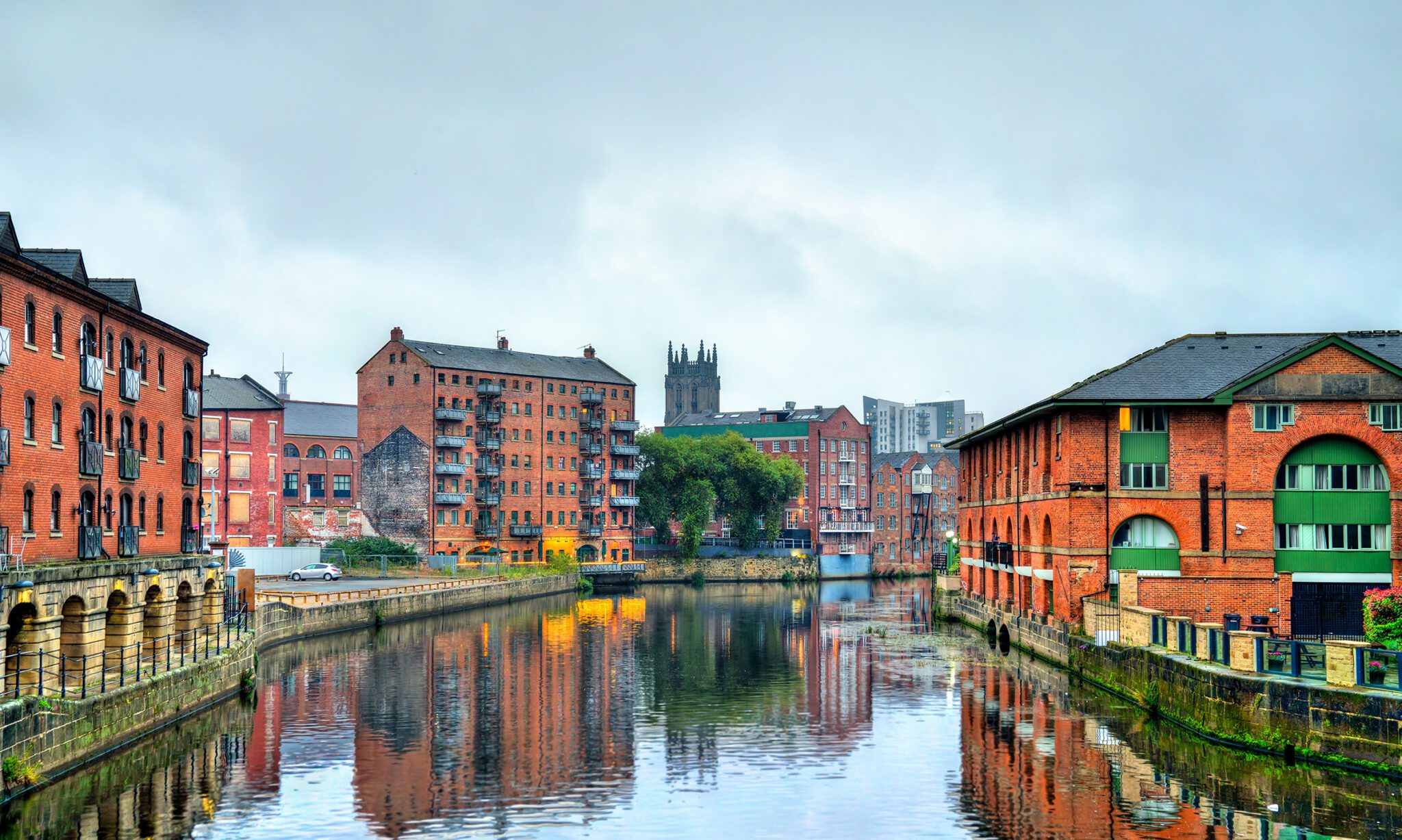
During the 19th and 20th centuries, the River Aire below Shipley was devoid of fish due to severe pollution. The river flowed through the industrial landscapes of West Yorkshire, contributing to its contamination.
Significant efforts have since been made to restore life to the river:
- 2007: Yorkshire Water invested £10 million to upgrade Esholt sewage treatment works.
- After these improvements, species such as trout, chub, dace, barbel, grayling, white-clawed crayfish, otters, and European water voles began returning to the river.
- 2013–2015: Castleford Wastewater Treatment Works invested £16 million to improve water quality downstream.
- A joint project by the Environment Agency and The Aire Rivers Trust installed four fish passes at the river’s last high weirs, benefiting eels and fish populations.
How to Reduce Pollution in the River Aire
While authorities and organizations work tirelessly to maintain and restore the River Aire, preserving its health requires collective effort. Here are practical ways individuals can contribute:
- Conserve Water: Practice water-saving habits like taking showers instead of baths, using dishwashers efficiently, and washing clothes with full loads.
- Reduce Plastic Usage: Plastic pollution significantly harms water bodies, with 12 million tonnes of plastic dumped into oceans annually. Opt for sustainable alternatives to reduce plastic waste.
- Avoid Pouring Fats and Oils Down Drains: Grease and oils can severely impact water systems. Dispose of them responsibly.
- Keep the Planet Clean: After outdoor activities near rivers, ensure all waste is collected and disposed of properly. Litter left behind can easily find its way into waterways.
The River Aire plays a vital role in the lives of Leeds residents, and its preservation is essential. By taking small, consistent actions, we can contribute to a cleaner, healthier environment. We hope this article has been informative and inspires you to play your part in protecting this invaluable resource.