

Leeds is a picturesque city with a unique history. Loved by tourists, it is often regarded as the cultural capital of Europe. Today, we’ll explore industrial tourism in Leeds, discussing its significance and highlighting key sites. Learn more on leedsname.com.
Leeds Industrial Museum: A Journey Into the Past
Industrial tourism involves visiting sites tied to a city’s or region’s industrial heritage, such as wineries, cheese factories, or historic mills. Tourists often enjoy observing modern or historical production processes, whether related to cars, textiles, or machinery.
In Leeds, visitors are encouraged to explore not only architectural landmarks and natural locations but also the city’s rich industrial heritage. Leeds is considered a major economic and financial hub in the UK and has a history of significant industrial contributions.
Leeds became a center for linen production in past centuries, surrounded by fertile fields. To learn more about this heritage, tourists can visit the Leeds Industrial Museum, located in the historic Armley Mills building. The museum showcases exhibits spanning from the 18th century to the present day, covering Leeds’ history in textiles, printing, cinema, and engineering.
Visitors can view working spinning frames and looms and delve into industries that brought Leeds global recognition. Highlights include the Power House Gallery, displaying engines of various sizes, and the Media in the Mill Gallery, featuring printing presses and film equipment.
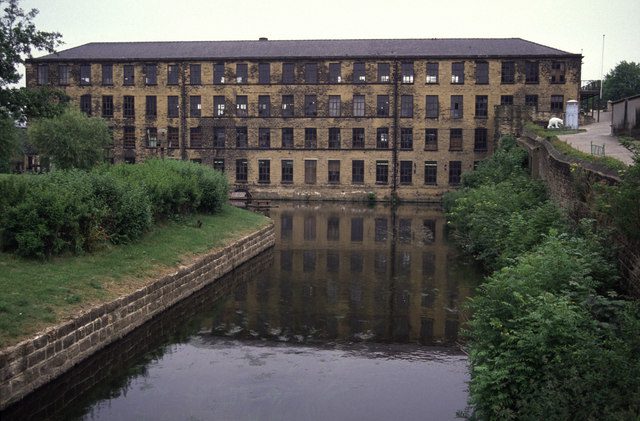
Armley Mills: A Mill With History
The Leeds Industrial Museum is housed in Armley Mills, once the largest wool mill in the world. The site dates back to the 16th century when clothier Richard Booth rented it from Henry Saville. By 1707, the site was home to fulling mills, and by 1788, five water wheels powered the machinery.
In 1788, Armley Mills was sold to Thomas Lloyd, a Leeds cloth merchant, who expanded it into the largest wool factory globally. Later, in 1805, the mills were sold to Benjamin Gott. Tragically, a fire destroyed the original structures, but Gott rebuilt the mill using fire-resistant techniques.
A walk through the museum offers a glimpse into the rich industrial history of Leeds and its role in global textile production.
Thwaite Mills: An Industrial Heritage Site
For industrial tourism, the operational water mill Thwaite Mills is another must-visit. Built between 1823 and 1825, it was previously home to a fulling mill dating back to 1641.
In 1823, Aire and Calder Navigation acquired the mill and restructured the site. They added two large water wheels and constructed the mill building, manager’s house, stables, workshops, storage facilities, and worker accommodations.
Thwaite Mills served various purposes, including grinding seeds for oil, crushing wood for dyes, and processing porcelain and flint for pottery. Remarkably, until 1986, the mill generated its energy using two water wheels and a Marshall engine. After a dam collapse in 1975 halted the wheels, the site was transformed into a museum, now an exciting location for tourists.
Other Attractions in Leeds
Industrial tourism is an excellent way to learn about the city’s history and development. Leeds also boasts several other noteworthy museums:
- Royal Armouries Museum: This national museum houses the UK’s collection of arms and armor. Located in Leeds Dock, it opened in 1996, having relocated from the Tower of London.
- Thackray Medical Museum: Attached to St. James’s University Hospital, this museum opened in 1997 to showcase the history of medicine. It features eleven permanent galleries and a temporary exhibition space and has received numerous accolades, including “Museum of the Year.”
Tourism in Leeds is thriving, offering visitors a blend of history, culture, and innovation. If you’re considering a trip to our city, don’t hesitate – Leeds awaits!