

Bodies of water such as rivers, lakes, and pools play a vital role in the life of a city or region, especially during warmer months when residents seek refreshment and recreation. Today, we delve into the history of Leeds International Pool, a central swimming facility that once served the community. Discover more on leedsname.com.
Leeds International Pool: A Brief History
The Leeds International Pool was inaugurated in the 1960s, designed by architect John Poulson. The facility officially opened in 1967 but sparked controversy as Poulson was later convicted of fraud during its construction.
In its first six months, over 220,000 visitors used the pool—nearly half the population of Leeds at the time. However, the building soon saw underutilization and underwent several redevelopments.
In 2007, the pool was permanently closed, replaced by The Edge Sports Centre at the University of Leeds. For two years, the building sat abandoned and was frequently vandalized. In 2009, the structure was demolished, as it was deemed unsuitable for commercial repurposing and lacked interest from potential tenants willing to renovate it.
While the facility itself is no longer operational, it remains a point of architectural interest. Today, parking facilities occupy its former site.
The John Charles Centre for Sport now serves as a modern replacement. It features an Olympic-sized swimming pool, a diving pool, and facilities for athletics, rugby, bowling, and tennis.
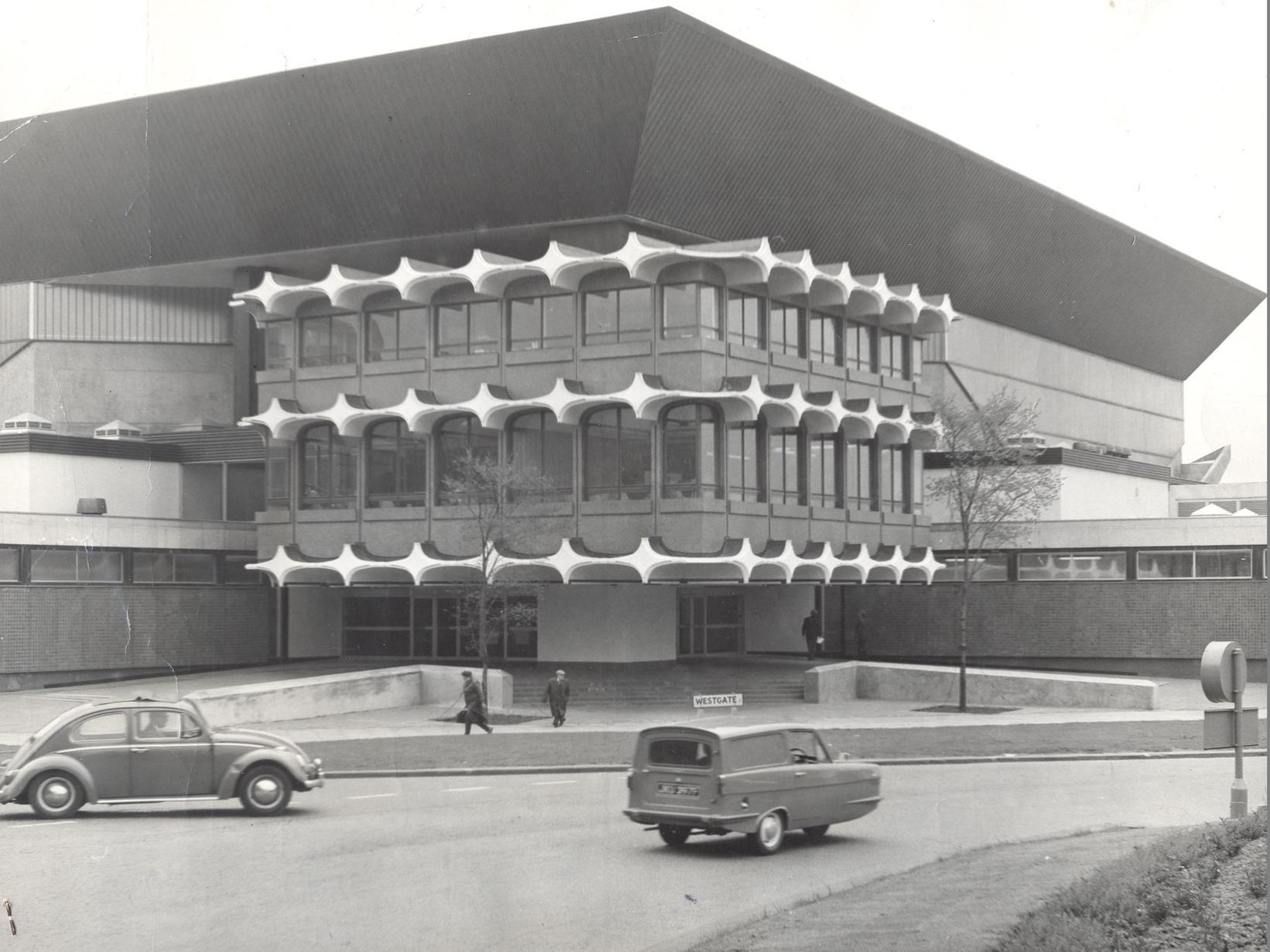
John Poulson: Architect of the Leeds International Pool
John Poulson, the architect behind the Leeds International Pool, became infamous for the corruption charges linked to the project. Despite his troubled career, Poulson made significant contributions to architectural projects across the UK.
Poulson, a less-than-stellar student at school and Leeds College of Art, began his career with Pontefract Garside and Pennington before starting his own firm. Known for his work ethic, Poulson demanded high standards from his employees.
In addition to the Leeds International Pool, Poulson designed projects such as the City House and the Forster House in Bradford, the Pontefract Library, and Luke Williams House.
The History of Public Bathing in the UK
Public bathing has a rich and storied tradition in the UK. The iconic Roman Baths in Bath date back to AD 73 and were constructed on a site of great religious significance to the Britons.
Roman baths served as places for healing, relaxation, and socialization. Some facilities could accommodate up to 6,000 bathers and often hosted festivals and entertainment.
In 1537, King Henry VIII banned public bathing, labeling it as “sinful.” The trend reversed in 1574 when Queen Elizabeth I visited a bathhouse, revitalizing their popularity. Between 1660 and 1815, England saw the establishment of 48 spa towns. The 1960s and 1970s marked a boom in the construction of public baths, with nearly 200 facilities built nationwide. However, by the late 1970s, public baths began to close across the country.
The Leeds International Pool remains a fascinating chapter in the city’s history. While it no longer stands, its legacy continues through modern facilities and the ongoing evolution of public spaces in Leeds.