

Dairy farms and companies producing milk products are an integral part of modern life. Leeds, a bustling financial hub in the UK, is surrounded by rural areas that support agricultural enterprises, including dairies. One standout is Longley Farm, a company that has been producing a wide range of dairy products for decades. Renowned in Northern England, Longley Farm boasts a rich history dating back to the mid-20th century. Read more about their journey and impact on leedsname.com.
From Farm to Dairy Enterprise
Longley Farm was founded in 1948 by brothers Joseph and Edgar Dickinson, who inherited a 12-hectare farm near Holmfirth in West Yorkshire. Initially starting with just a few cattle, the entrepreneurial duo combined mechanical engineering and agriculture to pioneer pasteurized milk production.
By 1954, the farm began selling its first product—cream—through a market stall operated by Morrisons. Cream was a novelty at the time, as it hadn’t been widely available since the start of World War II in 1939.
The company soon diversified, producing yogurt and later, cheese. A pivotal moment came in the 1970s, when Joseph Dickinson visited a U.S. farm and observed cheese production techniques. Inspired by this visit, Longley Farm introduced cheese to its product line in 1972, becoming the first European dairy to manufacture cheese on an industrial scale. Initially made in tin tubs, production methods were gradually optimized.
Growth and Expansion
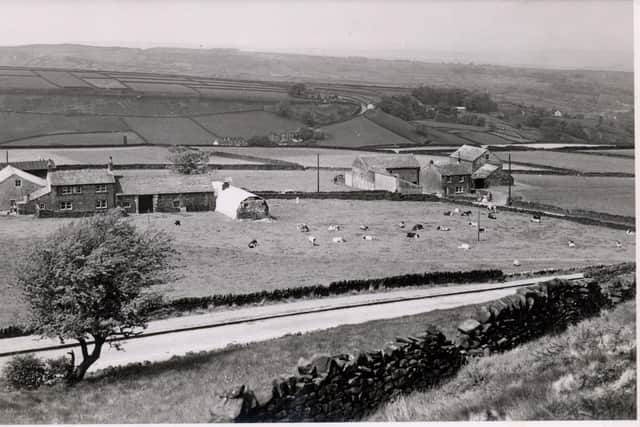
Over time, Longley Farm expanded significantly. By the 1980s, the farm housed 250 cattle and sourced milk from 80 other farms across Yorkshire.
In 1986, the farm installed the first commercial wind turbine in the UK, standing 32 meters tall with a 90 kW capacity—a testament to their innovative spirit.
A milestone came in 1990, when the Dickinson brothers acquired a 400-hectare farm near Barnsley, transferring their entire dairy operation there. By 1997, the founders retired, passing the reins to Joseph Dickinson’s son.
Today, Longley Farm products are celebrated beyond Yorkshire, earning numerous awards in the food industry.
The Benefits and Challenges of Dairy Products
Dairy has been a dietary staple for centuries, with milk consumption dating back to the domestication of cows and goats. Here’s a look at its benefits and potential drawbacks:
Benefits of Dairy Products
- Protein Powerhouse
Dairy is rich in protein, essential for muscle development and tissue repair, making it a vital “fuel” for the body. - Calcium and Bone Health
Milk, yogurt, and cheese are excellent sources of calcium, crucial for bone strength. They also contain phosphorus, which enhances bone density. - Iron-Rich Nutrition
Iron, a component of hemoglobin, is another important nutrient found in dairy. - Cheese: A Nutrient-Dense Choice
Cheese is a standout dairy product due to its high levels of vitamins and minerals, often recommended for therapeutic diets. - Gut Health with Yogurt
Yogurt supports gut microbiota, improving digestion and overall gut health.
Drawbacks of Dairy Products
While dairy has many benefits, some products, like cream, butter, and ice cream, should be consumed in moderation due to their high fat content. Additionally, lactose intolerance is increasingly common, with about 10% of Europeans lacking the enzyme lactase needed to digest lactose. Symptoms like bloating, cramps, and nausea can occur, prompting the need for lactose-free alternatives.
Dairy products are a cornerstone of many diets, offering substantial nutritional value when consumed in moderation. Companies like Longley Farm exemplify innovation and commitment to quality in dairy production.
We hope this article has been informative and provided a deeper understanding of Longley Farm and the dairy industry. Do you enjoy dairy products? Share your thoughts in the comments on social media!