With the arrival of warm weather, ticks become active, posing a danger to both adults and children. These tiny parasites can carry serious diseases, including Lyme disease. In Leeds, as in many other urban and suburban areas of the United Kingdom, there are certain natural zones where the risk of encountering ticks is elevated. Today, we will talk more about these locations. For more details, visit the pages of the website leedsname.com.
Where Ticks Live in Leeds
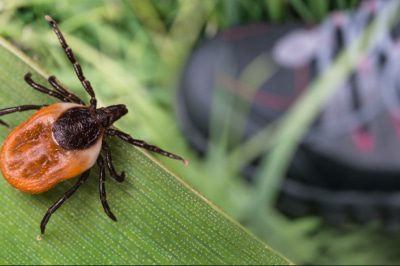
Generally, these tiny parasites can be found anywhere; however, the most dangerous natural zones for walks and recreation, due to the risk of tick bites and other potential threats, are large green spaces, parks, and wooded areas with dense vegetation. These locations include:
- Roundhay Park — one of the largest urban parks in Europe, with vast forested areas and thick grassy undergrowth, where ticks may be active, especially during the warm season.
- Meanwood Valley Trail — a natural valley with forests and bodies of water, popular among hikers and cyclists, where the risk of contact with ticks is increased due to the damp conditions and presence of wild animals.
- Eccup Reservoir and adjacent forest areas — large natural zones rich in flora and fauna, providing ideal conditions for ticks to live.
- Woodhouse Moor — an urban park with green plantings where caution is also advised during the peak season.
It is worth mentioning that all these natural zones are characterized by high humidity and dense grass.
If we speak statistically, up to 30% of ticks in the United Kingdom may be infected with Lyme disease pathogens, so spending time in such places without proper protection increases the risk of tick bites.
Prevention of Tick Bites
Of course, this does not mean that you need to stay at home in spring and summer. As the saying goes, “If you fear the wolf, don’t go to the forest.” Therefore, to protect yourself from ticks in popular recreational places in Leeds, it is worth following these recommendations:
- Choose safe places for recreation. Prefer dry, sunny clearings without dense vegetation. Avoid tall grass and bushes, because ticks are most active in such places.
- Dress properly. Wear light-colored clothing with long sleeves and trousers that can be tucked into socks to minimize exposed skin. It is better to choose dense fabrics that ticks find harder to bite through, and smooth materials where parasites are easier to spot.
- Use special repellents. Apply tick-repelling agents to exposed skin and clothing. The repellent should be applied according to the instructions, especially on places where ticks might enter — collars, sleeves, waistbands, socks.
- Regularly check yourself and your close ones. Generally, inspect your body every 30–60 minutes during a walk. Also, after walking in parks and forests, carefully examine yourself again and take a shower.
- If you find a tick, seek medical help immediately. Do not try to remove the parasite on your own.
Additionally, in Leeds, tick control is based on regular maintenance of city parks — mowing the grass, clearing fallen leaves, and monitoring wild fauna that may carry ticks. Moreover, medical services inform the public about symptoms of tick-borne infections and emphasize the need for timely consultation with a doctor in case of a bite.
These are the recommendations you received today. We hope our material was informative and that you have learned more about dangerous locations where tick concentration may be high.