Every city and region has its own unique characteristics and mineral wealth. Leeds is no exception — our region is rich in natural resources that form a significant part of the economic potential of Northern England. Located in the historic county of Yorkshire, Leeds benefits from a wealth of underground assets. Today, we’ll explore the natural riches of Leeds and the wider region. You can find out more on leedsname.com.
Yorkshire’s Coal Deposits
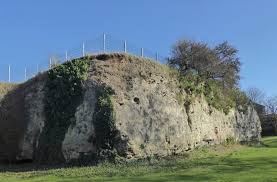
Yorkshire is renowned for its deposits of coal, potash, and other valuable minerals. These resources helped establish Leeds as one of the leading centres of industrial development in the United Kingdom from the 19th century onwards. Such deposits have always been highly valued.
Our region’s extensive coal reserves played a vital role in the development of the coal industry. The Yorkshire coalfields powered local factories and railways, fuelling the Industrial Revolution. While most coal mines have since closed, the legacy of extraction continues to shape the region’s economy and cultural identity.
The Region’s Mineral Wealth
The Leeds area also contains significant deposits of potash and rock salt. These minerals are used in the chemical industry and agriculture — particularly in the production of fertilisers and industrial products.
In addition, the region is home to kaolin (china clay), a fine white mineral used in the manufacture of porcelain, cosmetics, and paper. The UK is one of the world’s leading producers of kaolin, and its extraction contributes to the local economy.
Off the northeast coast of England — including the Yorkshire coastline — the North Sea holds vast reserves of oil and natural gas. These resources are strategically important for the country’s energy balance and attract significant investment into the regional energy sector.
Let us not forget Leeds’ water resources. The rivers Aire, Don, and Wharfe, which flow through Leeds and surrounding Yorkshire, have both historical and economic significance. They have long served as key sources of water and once played an essential role in navigation and industrial growth.
Mining Today
Today, Leeds is best known as a major economic and financial hub. Active mining within the city and surrounding areas is now limited. While Leeds and Yorkshire were once important centres of coal, salt, and mineral extraction, most mines have closed due to technological progress and changing national priorities. Across the UK, traditional resource extraction has declined in favour of investment in renewable energy and sustainable development.
The region is now home to several projects focused on innovative approaches to resource management and environmental sustainability. Investments are increasingly directed towards renewable energy — such as solar farms — and initiatives for efficient resource use.
Experts agree that Leeds today is more of a platform for the advancement of green technologies, sustainable resource management, and innovation than a hub of extractive industry, despite its rich natural endowment.
This has been an insightful overview of our region’s geological heritage. We hope you’ve found it interesting and learned something new about your home city and its surroundings.