

Leeds was once the hub of the textile industry, home to numerous mills and factories that bolstered the local economy, created jobs, and unfortunately, contributed to environmental pollution. Today, we delve into the history of “Temple Works,” a former flax mill in Leeds, and its environmental impact. Read more about this iconic site on leedsname.com.
The Creation of the Factory and Its Owner
The factory was built for industrialist John Marshall between 1836 and 1840. By 1842, Marshall owned four mills in Holbeck, but in 1837, one of these mills was severely damaged. This prompted him to construct a new facility for producing yarn and textiles.
The factory officially opened in 1840, celebrated with a tea party for its 2,600 workers. Within six months, equipment was installed, and the mill began operations. However, the factory was built at only half the originally planned size, with fewer spindles installed. Excess yarn produced was converted into thread, but no fabric was ever woven, as demand for textiles declined. Flax mills in Leeds struggled to compete, and the demand for flax diminished, replaced by cotton.
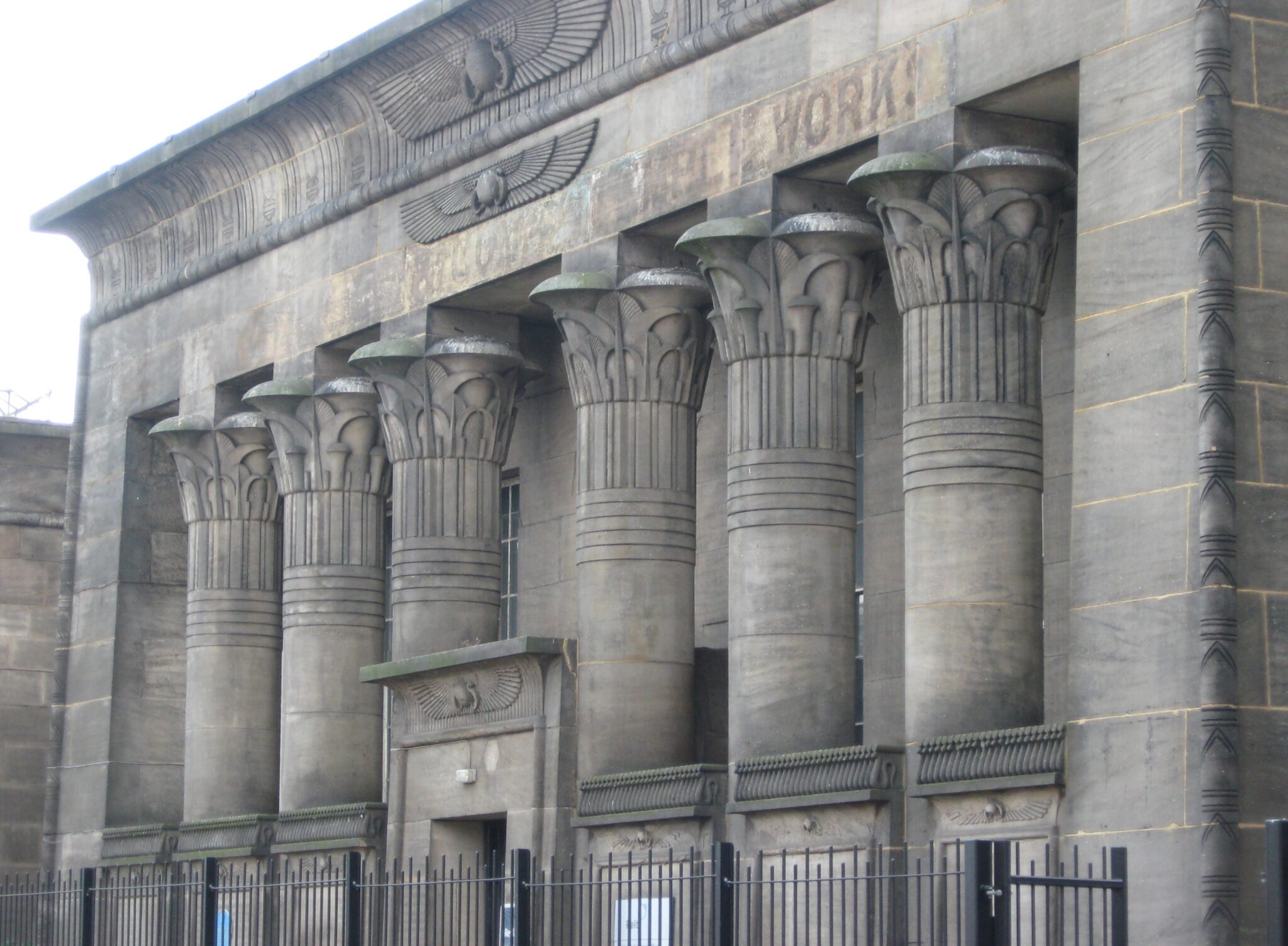
The Later Fate of Temple Works
In August 1871, factory workers went on strike, demanding a 10% pay increase. The media highlighted the workers’ plight, low wages, and the luxurious lifestyle of the factory owners. The strikes shut down operations for several days, but workers eventually secured a pay raise.
Marshall’s mills and factories operated longer than their competitors in Leeds. By the late 1870s, the factory was sublet and later auctioned off in 1886, along with the company’s other assets.
In the 1970s, the Temple Works building was repurposed as a warehouse for Kay’s mail-order service.
In recent years, the structure has been earmarked for redevelopment. In 2020, plans emerged to house the proposed Northern branch of the British Library in the building, with a promised £25 million restoration budget. Subsequently, the Government’s Culture Recovery Fund, in partnership with Historic England, granted over £1 million for repair work.
Factories and Air Pollution
Temple Works, like other industrial sites in Leeds, had a significant environmental impact. As Leeds grew more populated, it also became increasingly polluted. The city attracted large numbers of working-class people seeking employment at factories and mills. To accommodate the growing population, small, poorly serviced workers’ houses were built rapidly.
Industrial activity polluted the air, prompting wealthier residents to move away from central Leeds to areas like Chapel Allerton and Potternewton. Land was cheap in these areas, enabling affluent families to build large country houses with expansive gardens and architectural features.
The poor environmental conditions, coupled with overcrowding and unsanitary living conditions, led to the spread of epidemics and high mortality rates. In the 1840s, factory workers had an average life expectancy of just 19 years, compared to 44 years for the upper classes.
The history of Temple Works reflects the industrial and social dynamics of Leeds during its peak as a textile manufacturing hub. While the factory played a crucial role in the city’s economy, it also underscored the environmental and societal challenges of rapid industrialization. We hope this article provided valuable insights into the rich history of Leeds and its industrial legacy.