Protecting the environment is a key responsibility for the people of Leeds. After all, we only have one planet, and it needs our care and sustainable consumption. Everyone should do their part by sorting waste, particularly items that require special disposal. Today, we’ll look at the places in Leeds where you can take such waste. You can find more details on the leedsname.com website.
Main Locations and Collection Points in Leeds
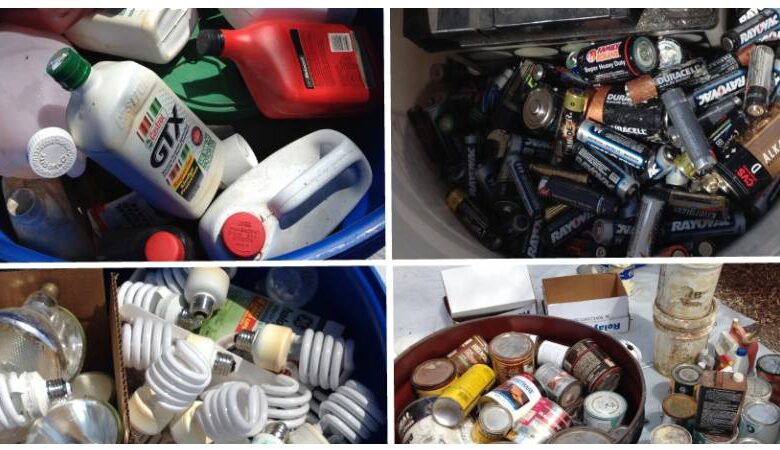
Leeds has a well-developed infrastructure for the safe collection and disposal of hazardous waste, ensuring both environmental protection and public safety. Collection points are available across several parts of the city, and specialised disposal services are regularly updated to meet modern environmental standards. Here are the key locations and collection points for hazardous waste in Leeds and nearby areas:
- Household Waste Recycling Centres (HWRCs) – the main facilities where residents can drop off hazardous waste, such as batteries, accumulators, light bulbs, old electronics, paints, varnishes, oils and household chemicals. There are several such centres in Leeds that accept hazardous items.
- Leeds Household Waste and Recycling Centre – the primary site for collecting household and hazardous waste in Leeds. Alongside regular rubbish, it also accepts special waste for safe disposal.
- Local electronic waste collection points – often located in shopping centres or supermarkets, these points accept broken electrical appliances, computer equipment and mobile phones.
- Pharmacies and some shops – these accept small quantities of medical waste and used syringes in line with safety regulations.
- In addition, specialist companies and collection services, such as Hazardous Waste Disposal Services, manage the removal of industrial waste and large volumes of hazardous materials from businesses and large institutions.
Why Hazardous Waste Is Dangerous
Many people don’t realise why it’s so important to sort and properly dispose of waste that requires special handling, which is why some throw it away with general rubbish. However, this should never be done. Hazardous waste can harm the environment in numerous ways, creating risks for ecosystems, human health and wildlife. Here are the main dangers:
- Toxic pollution of soil, water and air – waste can contain heavy metals (mercury, lead, cadmium, chromium, nickel), organic toxins, pesticides and chemicals that seep into the environment. They contaminate soil and groundwater through leaching and evaporation, polluting rivers and lakes, which damages flora and fauna.
- Biological contamination – some waste may contain pathogenic microorganisms, viruses and bacteria that cause diseases such as typhoid, tuberculosis and cholera. This is particularly true for medical and sanitary waste.
- Air pollution – as waste decomposes, it releases methane and other gases that contribute to the greenhouse effect and increase emissions of carbon dioxide and carbon monoxide. Fires or spontaneous combustion at landfill sites release highly toxic substances (such as dioxins and furans) into the atmosphere.
- Physical pollution and landscape degradation – large volumes of waste spoil the appearance of areas, litter natural ecosystems and destroy habitats for plants and animals.
- Bioaccumulation of chemicals in the food chain – heavy metals and toxins enter aquatic organisms and soil insects, eventually reaching animals and humans through food chains, leading to poisoning.
As you can see, hazardous waste that is not properly managed causes ecosystem pollution, biodiversity loss, health risks and can even trigger ecological disasters.
We hope you found this article useful and learned more about your city and the importance of safe hazardous waste disposal.