

A reservoir is an artificial body of water created by building a dam, resulting in a large water expanse. These structures serve not only vital national functions but also provide scenic spots for recreation. Today, we delve into the history of Swinsty Reservoir, situated in the Washburn Valley near Leeds. With a surface area of 63 hectares, it is an accessible and picturesque location for local residents. More details are available on leedsname.com.
History of the Reservoir
The story of Swinsty Reservoir begins in 1871, with its construction undertaken by the Leeds Waterworks Company. To facilitate the project, temporary housing was built for workers, and materials for the dam were transported by rail to Starbeck. However, a damaged railway in 1872 led to materials being delivered by contractors instead.
By 1877, most of the construction was complete, and the temporary worker housing was dismantled. In 1878, the reservoir was filled with water for the first time.
The reservoir draws water from an overflow at the neighboring Fewston Reservoir, and its water is retained by two dams. The Washburn River flows from the southern dam and continues its course to the River Wharfe.
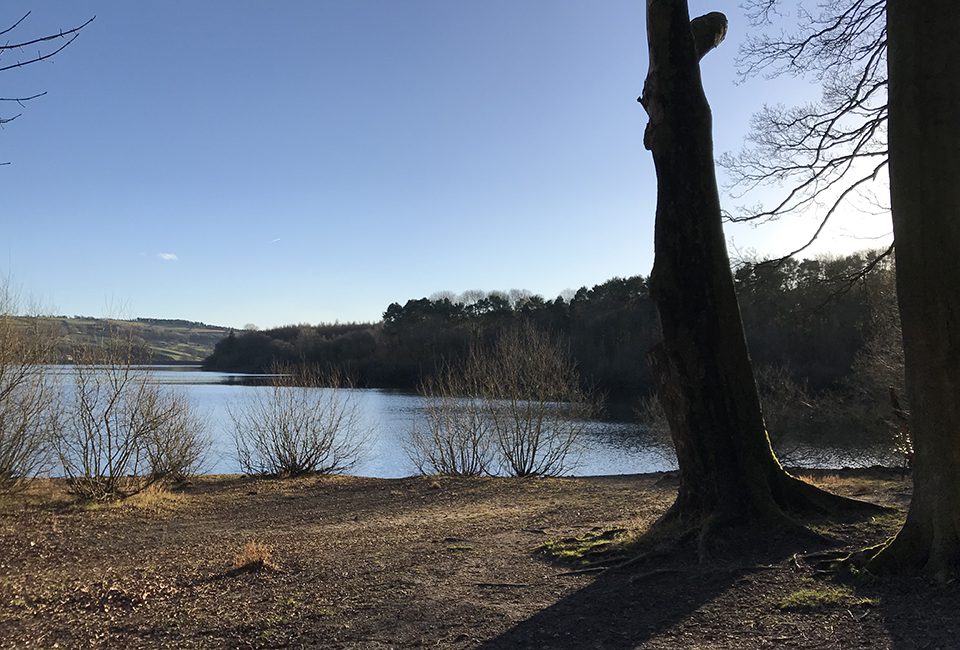
Points of Interest Around Swinsty Reservoir
On the reservoir’s shores lies Swinsty Hall, a 17th-century building steeped in history and local legend. According to one story, the hall was built by a man named Robinson, who had once lived in Fewston. Robinson traveled to London in search of a better life, arriving during the Great Plague of 1603-1604. Undeterred by the disease, he profited by looting the homes of the dead. Upon amassing wealth, Robinson returned home, purchased the Swinsty estate, and built the hall.
A more historically accurate account suggests that the Wood family owned the Swinsty estate in the 16th century. Under a marriage contract, Francis Wood was obligated to build a new hall but lacked funds. He turned to Henry Robinson for a loan. Mounting financial troubles led to Robinson taking ownership of the hall and estate in 1590. The Robinson family retained ownership until 1772, after which it passed to Robert Bramley.
Functions of Swinsty Reservoir
Swinsty Reservoir, like many built in past centuries, was constructed to meet growing water demands. As civilization advanced, the need for water increased, leading to the creation of larger and deeper reservoirs. Many reservoirs also support hydroelectric power generation.
Today, new reservoirs are mainly constructed in Asia, Africa, and South America, while older dams in Europe are often dismantled due to ecological concerns. Reservoirs can contribute to increased shallow water zones, bank erosion, and flooding of surrounding lands.
While reservoirs have advantages and disadvantages, they historically played a crucial role in water supply. Swinsty Reservoir, in particular, remains a part of the region’s heritage and offers visitors the chance to enjoy natural beauty and tranquility.
Swinsty Reservoir stands as a reminder of our shared history, providing a peaceful retreat for those who visit. We hope this article has given you new insights into the history of the Washburn Valley. Have you visited Swinsty Reservoir? Share your experiences in the comments on our social media channels.