

Mineral resources are vital for every country, but not all regions are fortunate enough to have access to them. Leeds, at one time, was home to numerous coal mines. A mine, by definition, is an industrial facility where minerals such as coal or salt are extracted. Today, we delve into the coal mining history of Leeds and explore the extraction activities that once shaped the region. Read more on leedsname.com.
Leeds: A City Rich in Mineral Resources
Historians note that Leeds’ mining history stretches back centuries. Records indicate that the Romans were extracting coal in the Garforth area as early as 1262. Beneath the city lay abundant coal reserves, which made mining an essential activity in the region.
Coal mining significantly contributed to the city’s development. For example, the Middleton Railway, the world’s oldest railway, was constructed in 1758 to transport coal. Coal extraction primarily occurred in Leeds’ eastern, western, and southern areas.
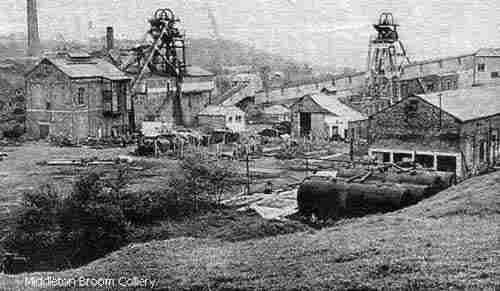
Coal Mining Sites in Leeds
Coal was extracted at various locations throughout Leeds. The Garforth Coal Mine began operations in 1760, running multiple shafts for years. By the late 18th century, advancements in transportation, including the Aire and Calder Navigation Canal, boosted coal mining activities by simplifying cargo delivery.
By 1880, Leeds had 111 large coal mines. One notable mine, Rothwell Colliery, had a long history of coal extraction.
Coal mining was particularly critical during World War II. From 1939, young men were conscripted to work in coal mines instead of joining the armed forces. In 1947, the coal industry was nationalised, and the National Coal Board took over 11 coal mines in the Leeds area.
The Rothwell Colliery’s coal reserves were depleted, and operations ceased on 9 December 1983. More than 650 workers were transferred to the Selby Coalfield.
Transforming a Former Mine into a Park
In the 1990s, Leeds City Council and Groundwork Leeds decided to transform the derelict Rothwell Colliery site into a green space. By 1997, the site had been rehabilitated into a park, complete with landscaped slag heaps, ponds, trees, and pathways. Local schools and community groups were involved in the transformation, funded by various organisations, including the National Lottery Changing Places Programme, Yorkshire Forward, and the European Commission.
In 2000, Rothwell Country Park was officially opened. During the inauguration, former miners conducted tours explaining the site’s history and the park’s development.
In 2013, the park saw the addition of a “Trim Trail,” a series of outdoor fitness equipment, funded by Leeds City Council. Six years later, Rothwell Country Park was officially recognised as a wildlife haven.
Fascinating Facts About Coal
Coal played a pivotal role in humanity’s progress, being a more energy-efficient fuel than wood. Over time, however, its significance has waned as countries seek alternative energy sources. Here are some intriguing facts about coal and coal mining:
- The first coal mine in the world opened in 1113 in the Netherlands and is still operational today due to remaining reserves.
- In 2004, a coal seam fire in China, burning for 130 years, was extinguished after consuming 260 million tonnes of coal.
- Coal closely resembles diamonds in composition; both are made of carbon.
- Coal mines are among the most hazardous workplaces.
- In some countries, nearly 100% of electricity relies on coal power plants.
- Coal was the first mineral resource to be mined by humans.
- Coal made large-scale steel production possible.
- One-third of the world’s coal reserves are located in Russia.
- Ancient wall fragments with hieroglyphs were discovered in coal seams in 1869.
- In 1891, a woman found an ancient gold ornament inside a piece of coal.
It’s worth noting that coal is far from environmentally friendly. Many developed nations have shifted towards alternative energy sources. For instance, Leeds constructed a waste-to-energy plant in 2016, generating electricity from rubbish.
Coal mining thrived in past centuries, driving significant growth for Leeds and the UK. However, the number of coal mines in Leeds has declined over time as the city and the world explore sustainable alternatives.
We hope this article provided insightful information about Leeds and its mining heritage.