

Leeds is an incredible city boasting stunning nature and architecture. Every year, it attracts more and more tourists. However, Leeds is not just a tourist destination. In past centuries, it was a hub of coal mining and textile production. Today, we delve into the fascinating history of Rothwell, a town located in the southeastern part of Leeds Metropolitan District. Once a centre for coal mining and rhubarb cultivation, Rothwell has a unique story to tell. Read more on leedsname.com.
A Brief History of Rothwell
Rothwell’s history dates back centuries. In the 15th century, the town was granted market rights, enabling it to hold fairs twice a year. These privileges significantly boosted the local economy. Remarkably, the tradition of these fairs continues today with an annual carnival. Rothwell was also part of the historic “Rhubarb Triangle” and was home to coal mining activities.
Originally a parish town comprising five townships, Rothwell became an urban district in 1872. In 1937, its boundaries expanded, but in 1972, the urban district was dissolved, making Rothwell a part of Leeds Metropolitan District.
Coal Mining in Rothwell
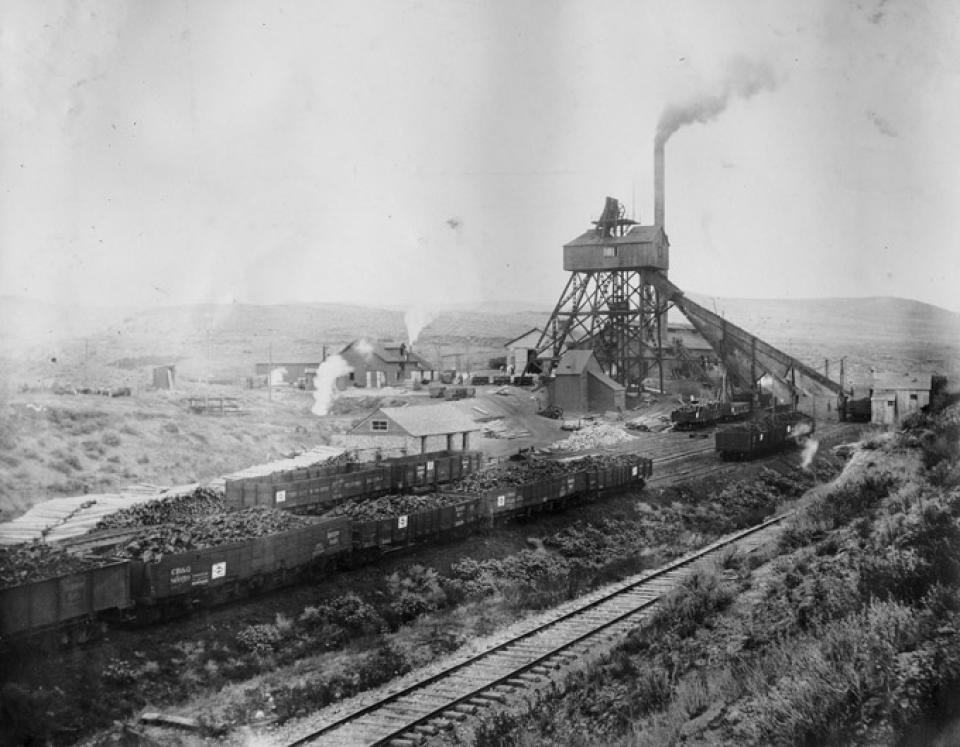
As mentioned earlier, Rothwell was once a thriving coal mining town. For centuries, “black gold” was extracted here using a “bell pit” system. Prominent pits included “Fanny,” “Rose,” and “Rothwell Water Haigh.” Over time, the mines’ reserves depleted, and coal production ceased in December 1983. More than 650 miners were transferred to Selby Coalfield, with some relocating to Selby permanently.
In 1995, Leeds City Council, in collaboration with Leeds Groundwork and local residents, transformed the former coal mine into a 124-acre country park. The park features beautiful walking trails, fountains, and lush greenery.
Rothwell is also part of the historic Rhubarb Triangle, a 23-square-kilometre area located between Wakefield, Morley, and Rothwell. Initially, this “triangle” extended between Leeds, Bradford, and Wakefield.
Rhubarb, a plant native to Siberia, thrived in this region. At one time, West Yorkshire produced 90% of the world’s forced winter rhubarb. The method of cultivation, developed in the 1800s, involved enriching the soil with horse manure. Rhubarb was grown in fields for two years before being transferred to specially designed dark, heated sheds in November. This process converted carbohydrates in the roots into glucose, giving the rhubarb its signature sweet-and-tangy flavour.
Harvesting took place in complete darkness to prevent the growth process from halting, with the work done by candlelight. The harvest season lasted until late March, after which the exhausted roots were used as compost.
Rhubarb cultivation in the region began with small-scale farmers but later expanded significantly. By the late 19th century, rhubarb from Rothwell was transported to major markets such as Spitalfields and Covent Garden in London and to Paris. To facilitate transportation, a special express train service for rhubarb was introduced. During its peak in 1939, up to 200 tonnes of rhubarb were transported daily. However, after World War II, rhubarb lost its popularity due to the availability of other exotic fruits and vegetables.
Rhubarb, a perennial plant from the buckwheat family, has long, fleshy stalks of bright pink or red colour and large dark green leaves. Only the stalks are edible, as the leaves contain toxins. Rich in vitamin K, fibre, and antioxidants, rhubarb supports digestion, heart health, and bone strength. However, it should be consumed in moderation to avoid potential adverse effects.
Rothwell, with its rich history of coal mining and rhubarb cultivation, stands as a testament to the industrious spirit of its people. This fascinating town has transitioned from an industrial hub to a vibrant community, preserving its heritage while adapting to modern needs.
Have you ever visited Rothwell? Share your experiences and thoughts with us on social media!