

Waste management is a pressing issue of our time. Each year, the average person generates enough waste to fill a truck, resulting in our planet becoming overwhelmed with garbage. To address this problem, many developed countries have begun constructing waste recycling plants, and the UK is no exception. Leeds boasts its own energy recovery and recycling plant, which plays a vital role in waste management and sustainability. Read more about this facility and similar plants worldwide on leedsname.com.
Overview of the Leeds Energy Recovery and Recycling Plant
In April 2013, approval was granted for the construction of the Leeds Energy Recovery and Recycling Plant. Construction began shortly after, and by 2016, the plant was fully operational. The facility was officially opened by the Duke of Kent.
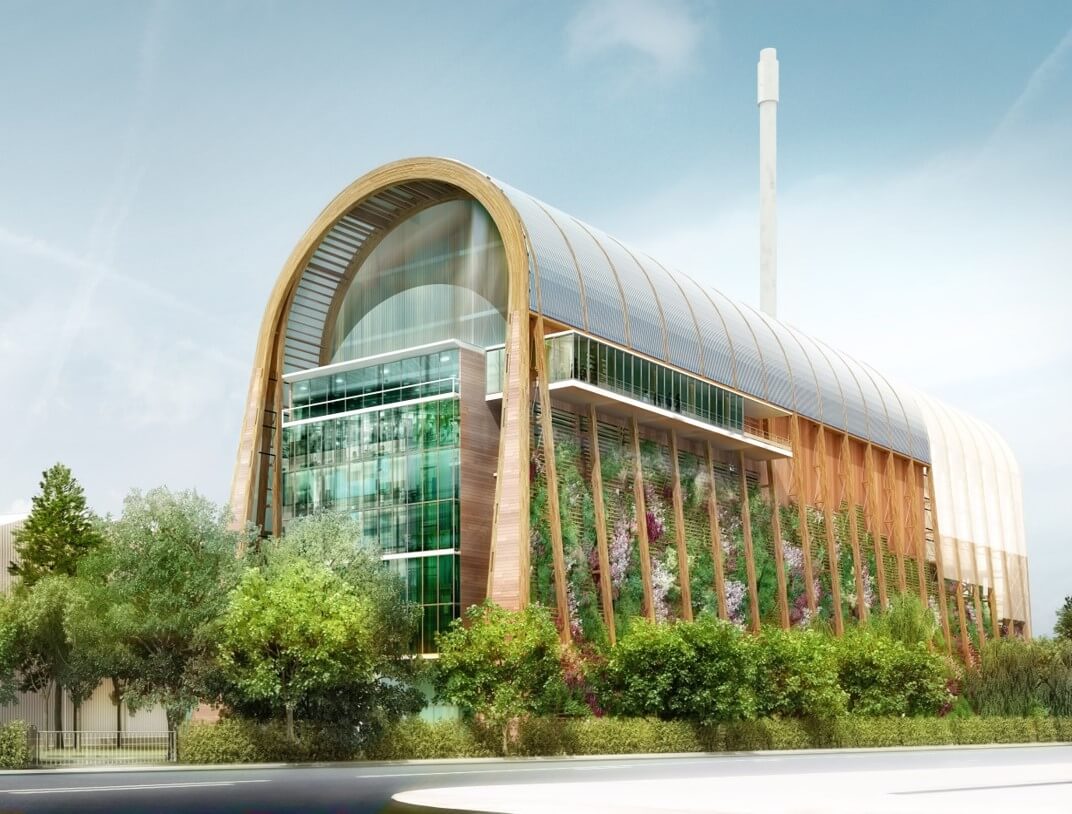
The plant employs state-of-the-art recycling and energy recovery technologies. In simple terms, it transforms waste into electricity. The facility generates 11 MW of energy, enough to power 22,000 homes. Additionally, the plant features the largest vertical green living wall in Europe, covering an area of 1,800 square meters.
The facility employs 70 staff members, ensuring smooth and efficient operations. It also serves as an educational site, regularly welcoming schoolchildren to learn about waste management in Leeds.
Public Reception of the Plant
The Leeds Energy Recovery and Recycling Plant is highly regarded and considered a point of pride for the city. Lucinda Yeadon, Executive Member of the Leeds City Council for Environment and Sustainability, highlighted the plant as a cornerstone of the city’s commitment to sustainable development and resource optimization. She emphasized that the plant prevents waste from being dumped in landfills, instead redirecting it for further recycling. The initiative not only generates electricity but also saves funds previously spent on landfill costs.
Estelle Brachlianoff, Senior Executive Vice President of Veolia UK and Ireland, praised Leeds as a shining example of a circular economy hub. She noted how the city transforms unwanted materials into valuable resources. According to Brachlianoff, the collaborative effort has created an iconic facility that serves as both a landmark for Leeds and a worthwhile investment for future generations.
The plant is part of a 25-year PFI contract between Leeds City Council and Veolia.
Waste Recycling Plants Around the World
As one of the UK’s largest cities and an economic and financial hub, Leeds continues to develop national and international projects. Waste recycling facilities, however, are not new to European cities. Here are some noteworthy examples of such plants worldwide:
- Switzerland: A global leader in waste management, Switzerland operates dozens of waste recycling plants. Most waste is used as fuel for power plants or raw materials for manufacturing. Many facilities are state-owned. For example, the plant in Uppsala is located on the outskirts of the city, near shopping centers, residential areas, and tourist attractions, with no negative environmental impact. Before the plant’s construction, Uppsala was heavily polluted, relying on coal-fired heating. Today, 70% of the plant’s electricity is used to heat water, significantly benefiting the local community.
- Austria: Vienna’s Spittelau plant combines utility with art. Originally built in 1971, a fire damaged the facility, prompting a redesign by architect Friedensreich Hundertwasser. The result is a colorful, artistic building that processes 265,000 tonnes of waste annually, providing heating for large parts of Vienna.
- Denmark: In Copenhagen, a waste recycling plant doubles as a recreational facility. Its roof features a year-round ski slope made from recycled plastic, along with a climbing wall, running tracks, a fitness area, and greenery.
These examples showcase innovative approaches to waste management, turning rubbish into useful resources. Leeds’ efforts to generate electricity from waste highlight the city’s dedication to sustainability.
We hope this article has provided valuable insights into Leeds’ waste management initiatives and global examples of recycling plants. What’s your opinion on such facilities? Do you support their construction in your city? Share your thoughts in the comments—we’d love to hear from you.